Italia.

Ten cities · A clickable chart

Campania · 40.8518° N  14.2681° E

Naples Napoli

Naples is the loudest, most physical city in Italy and by some distance the most rewarding if you meet it on its own terms. It also happens to sit next to the best-preserved Roman town in the world, in the shadow of the volcano that preserved it.

Region
Campania
Airport
Naples Capodichino NAP
Getting around
Metro, funiculars, Circumvesuviana rail
Give it
3 days with day trips

Pizza, Pompeii and a live volcano

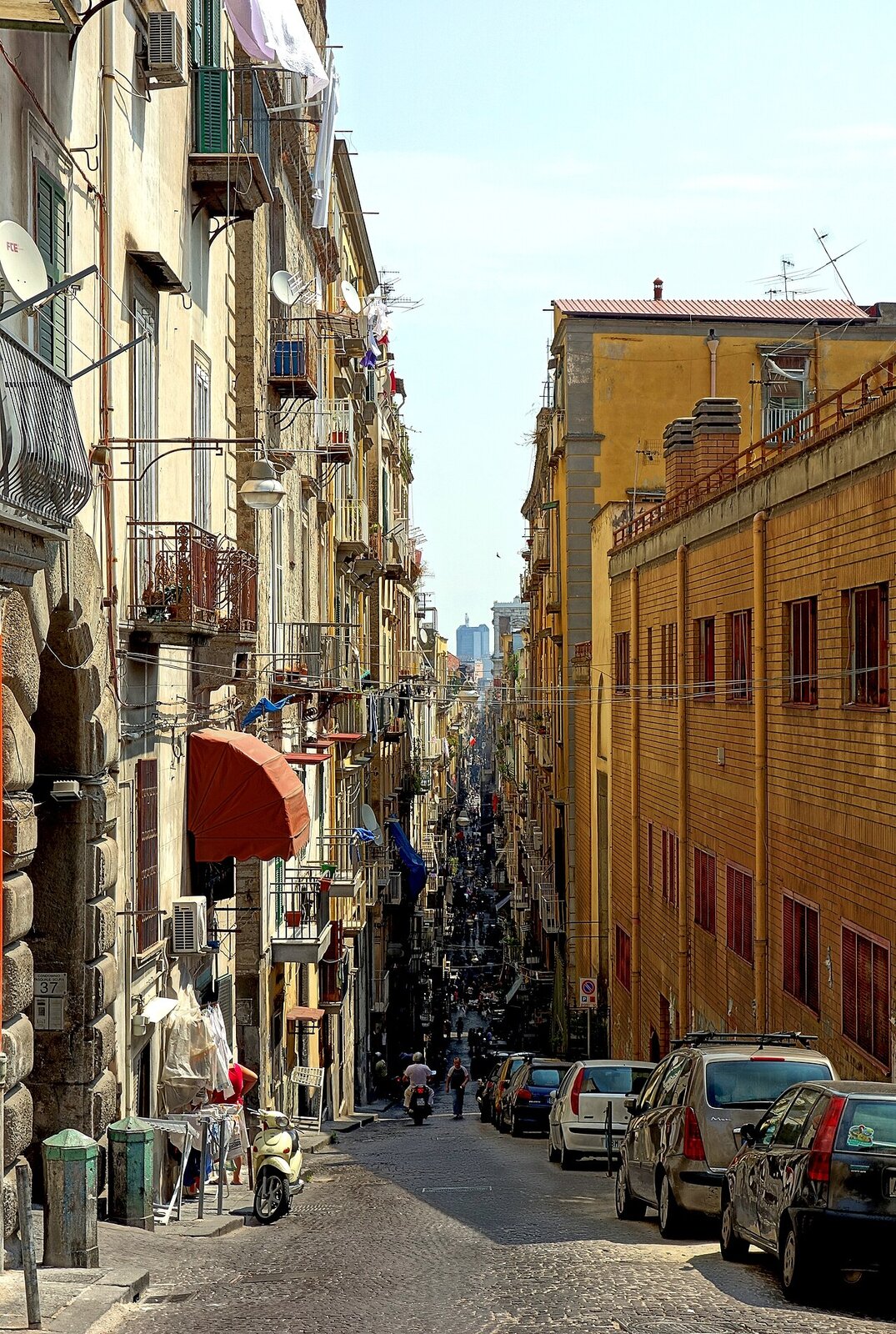
The historic centre is a dense Greek street grid that has never been redrawn — Spaccanapoli, the long straight lane that splits it, follows a road laid out well over two thousand years ago. Laundry overhead, scooters everywhere, shrines set into the walls.

The archaeological sites are the other half of the trip. Pompeii, Herculaneum and Vesuvius are all reachable in under an hour on local rail, and the finest objects from all of them are in the city's archaeological museum rather than at the sites.

Naples has a reputation for petty crime. Ordinary caution — bag in front, phone away on the street, nothing loose in your back pocket — covers it. The city is far less alarming in practice than its reputation suggests.

What to see

Naples attractions

01

Museo Archeologico Nazionale

Museums

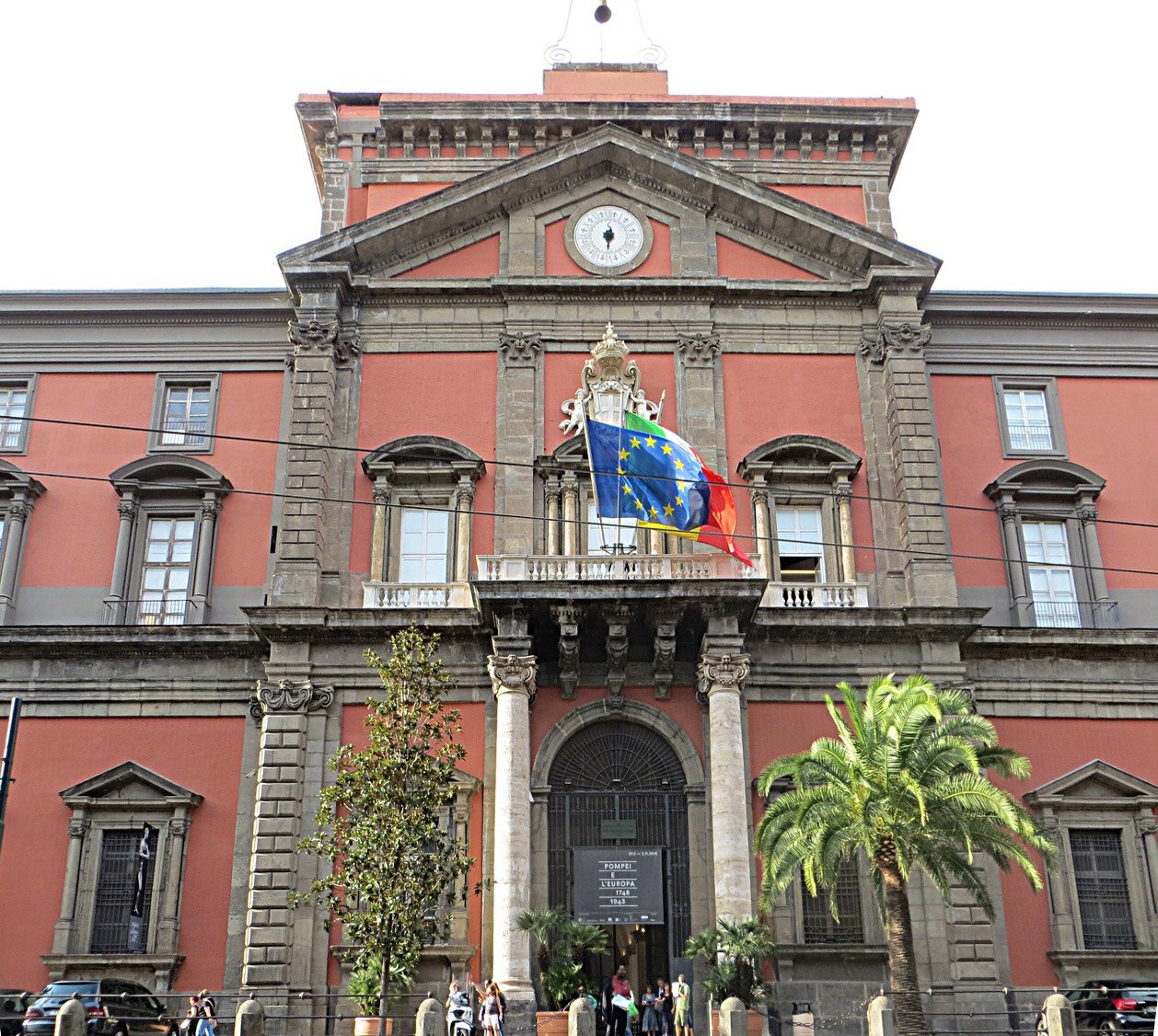
The single most important collection of Roman material anywhere. Nearly everything portable from Pompeii and Herculaneum ended up here: the Alexander Mosaic from the House of the Faun, wall paintings lifted whole, bronze sculpture, glass, surgical instruments. The Farnese collection adds the colossal Farnese Bull and Hercules. The Secret Cabinet holds the erotic material, kept locked away for most of the museum's history.

Go here before Pompeii, not after — the site makes far more sense once you have seen what came out of it.
Museo Archeologico Nazionale, Naples

02

Pompeii

Archaeology · Day trip

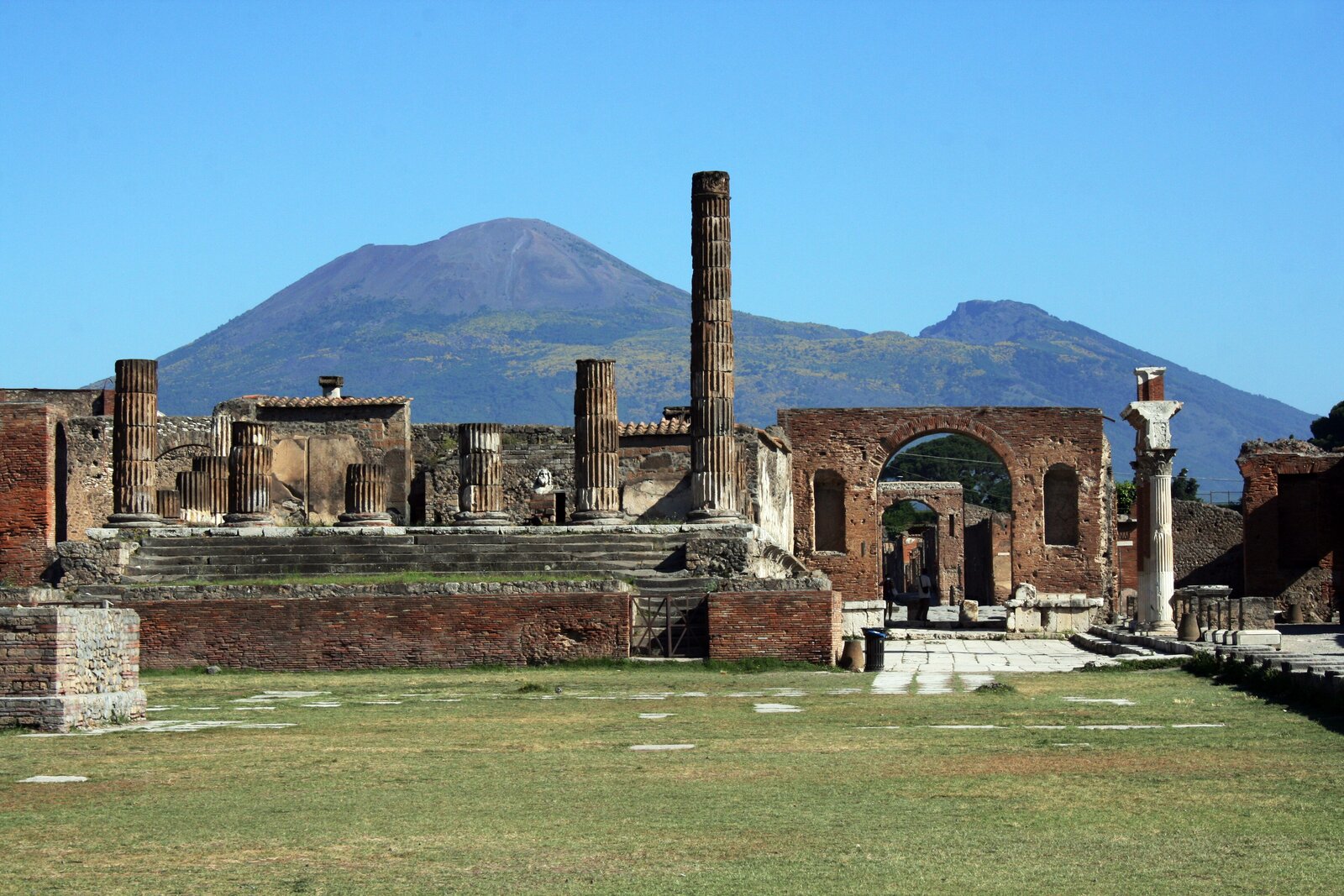
A full Roman town of around 11,000 people, buried under volcanic ash in AD 79 and excavated since the eighteenth century. You walk actual streets with cart ruts worn into the stone, past bakeries with millstones still standing, a laundry, brothels, two theatres, an amphitheatre and painted houses. The plaster casts of victims, made by pouring plaster into voids left in the ash, are difficult to look at.

The site is enormous and largely unshaded. Bring water, a hat and proper shoes; allow at least four hours. The Circumvesuviana line from Napoli Garibaldi stops at Pompei Scavi.

Pompeii, Naples

03

Herculaneum

Archaeology · Day trip

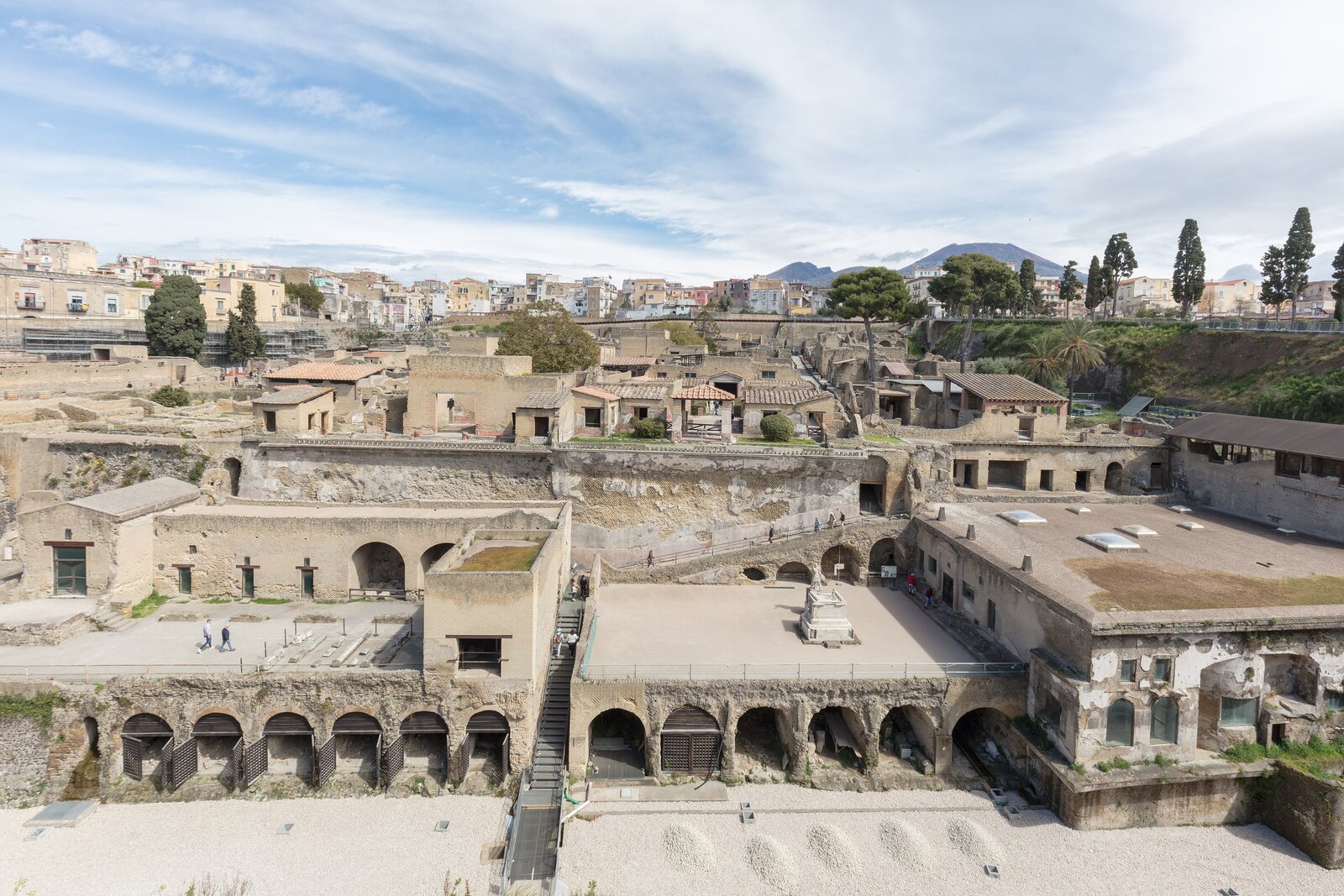
A smaller, wealthier seaside town hit by pyroclastic surge rather than falling ash, which carbonised organic material instead of burning it. The result is better preservation: upper floors, wooden doors and beams, furniture, even food. It takes about two hours rather than a full day and is far less crowded than Pompeii.

If you only have time for one site and want detail rather than scale, choose this one. Ercolano Scavi station on the same rail line.

Herculaneum, Naples

04

Mount Vesuvius

Nature · Day trip

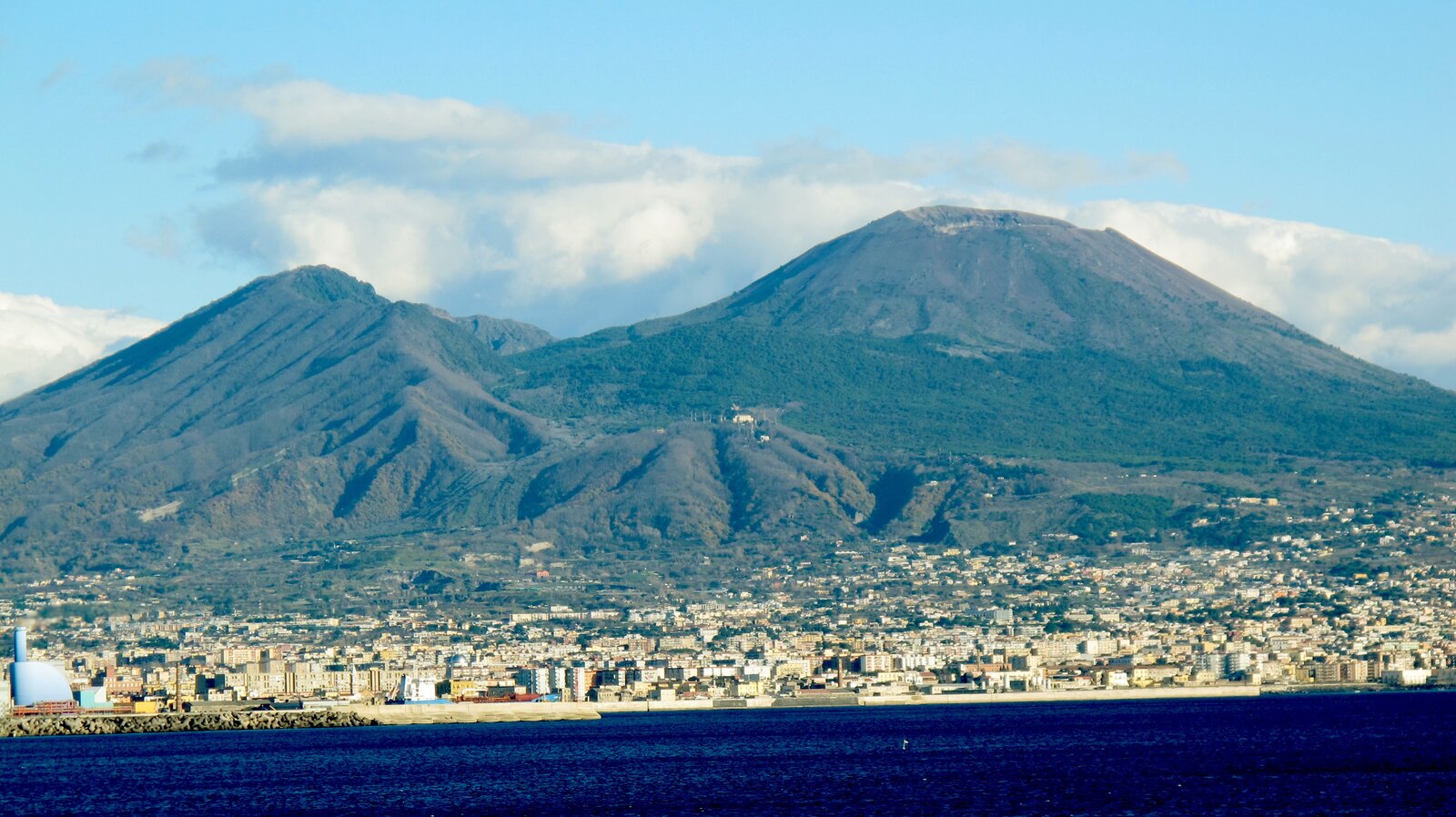
The only volcano on the European mainland to have erupted in the last hundred years, and still classed as active with around three million people living in the danger zone. A shuttle takes you to a car park near the top and a gravel path spirals about twenty to thirty minutes up to the crater rim, where you can look down into the cone and out across the whole Bay of Naples.

Access requires a timed ticket and closes in bad weather. It is windy and cold at the summit even in summer.

Mount Vesuvius, Naples

05

Cappella Sansevero

Art

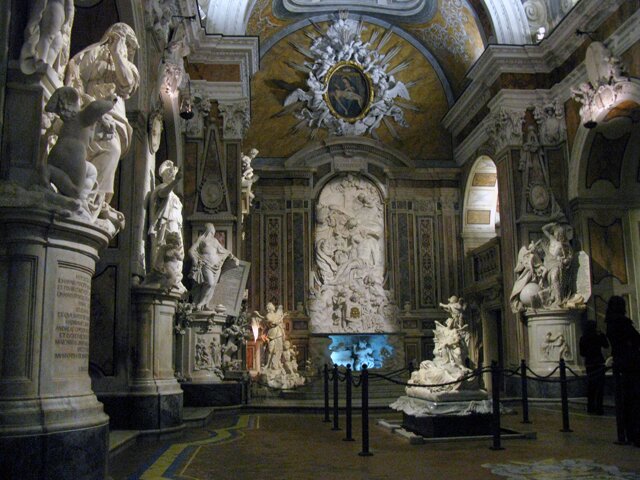
A small private chapel packed with eighteenth-century sculpture commissioned by Raimondo di Sangro, an alchemist and Freemason with a reputation for the occult. The centrepiece is Giuseppe Sanmartino's Veiled Christ — a marble figure under a marble shroud so thin it appears translucent, carved from a single block. Photographs do not prepare you for it.

Very small, timed entry, sells out. Book several days ahead.

Cappella Sansevero, Naples

06

Spaccanapoli & the historic centre

Neighbourhood

The straight lane cutting through the old town, and the streets around it. Via San Gregorio Armeno is lined with workshops making presepi — nativity figures — all year round, including satirical figures of current politicians and footballers. The churches along the way are free and frequently extraordinary; Santa Chiara's majolica-tiled cloister is the standout.

Busiest and best in the early evening. This is also the best area in the city for street food.

Spaccanapoli & the historic centre, Naples

07

Napoli Sotterranea

Underground

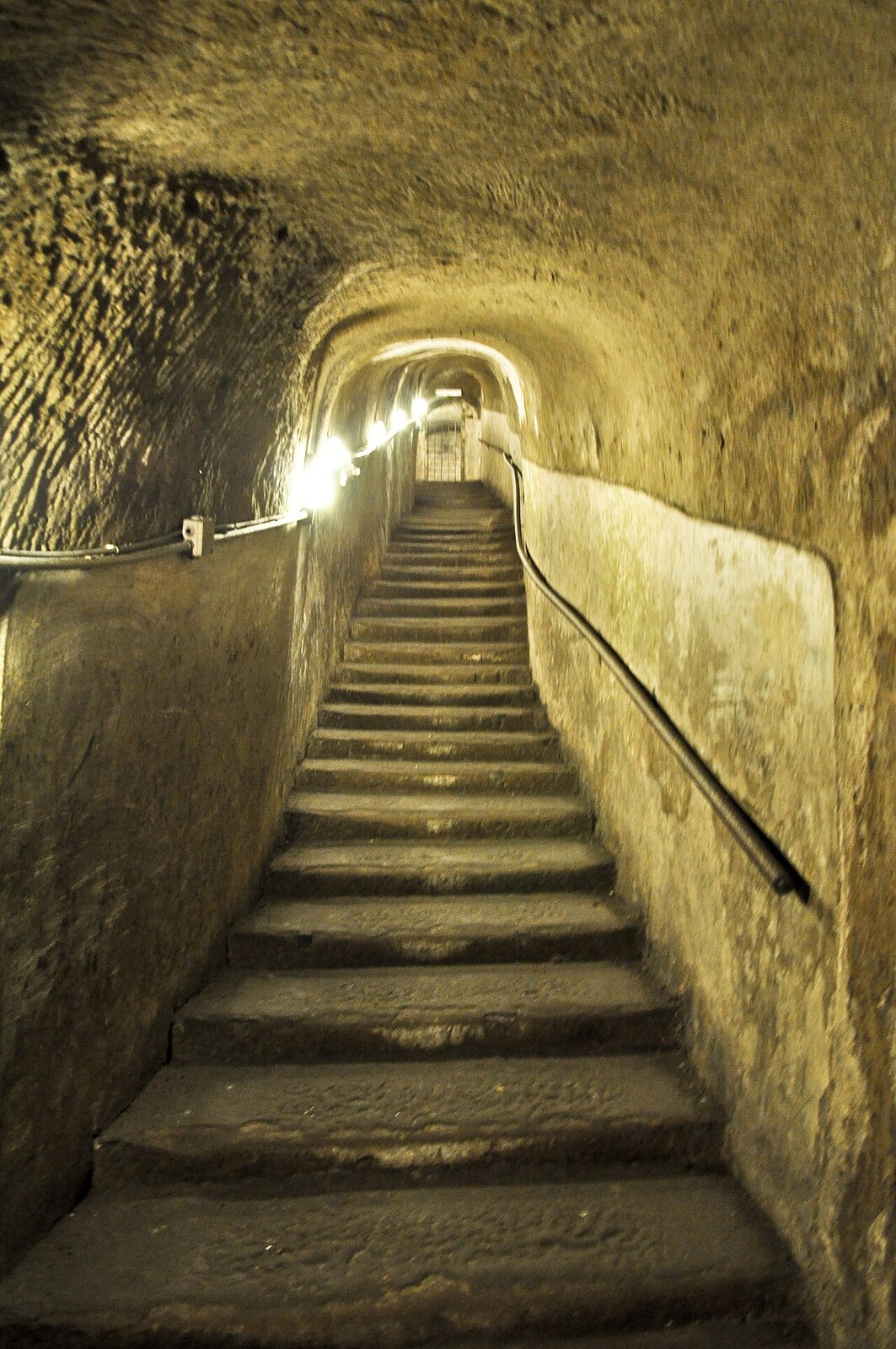
Forty metres below the streets, a network of Greek tuff quarries reused as Roman aqueduct cisterns, then as air-raid shelters during the Second World War, complete with beds and belongings left behind. The guided route includes some very narrow passages navigated by candle. There is also a small Roman theatre reached through somebody's apartment.

Guided visits only, at set times. Not suitable if you are claustrophobic — some sections are genuinely tight.

Napoli Sotterranea, Naples

08

Certosa di San Martino

Viewpoint · Museums

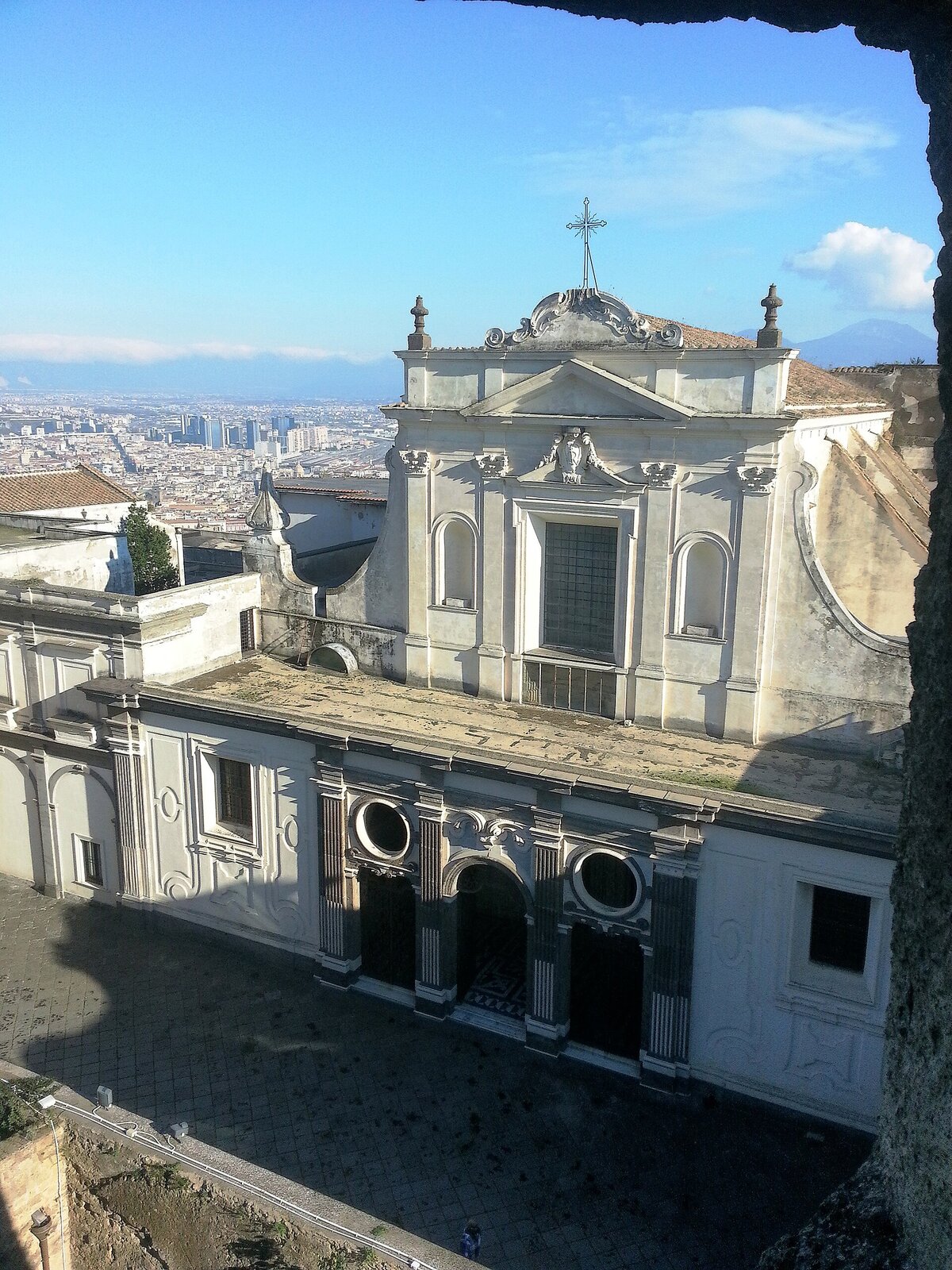
A Carthusian monastery on the Vomero hill above the city, reached by funicular. The Baroque church interior is one of the most lavish in southern Italy, and the museum holds an unmatched collection of historic presepi, including one with hundreds of figures. The belvedere gives you the classic view: the whole bay, the port and Vesuvius behind it.

Combine with Castel Sant'Elmo next door for the wider panorama. Take the Montesanto funicular up.

Certosa di San Martino, Naples

Planning

Before you go

When to visit

April to June and September to October. Summer is very hot and the archaeological sites offer little shade. Winter is mild but wetter, and some coastal services run reduced schedules.

Getting around

The metro's Line 1 stations are an art project in themselves — Toledo in particular is worth seeing. Three funiculars climb to the Vomero. The Circumvesuviana regional line serves Pompeii, Herculaneum and Sorrento; it is cheap, slow and often crowded.

Eat and drink

Pizza napoletana is the point: a soft, blistered, wet-centred base, traditionally either marinara or margherita, from a wood oven at high heat. Beyond that: fried pizza, sfogliatella pastry, ragù napoletano cooked for hours, and a coffee culture that takes espresso seriously.