Italia.

Ten cities · A clickable chart

Lombardy · 45.4642° N  9.1900° E

Milan Milano

Milan is the Italian city that works. It is where the money is, where the design industry lives, and where the country's most demanding cathedral took nearly six centuries to finish. Visitors sometimes call it unromantic, which mostly means it is a real working city rather than a museum.

Region
Lombardy
Airports
Malpensa MXP · Linate LIN · Bergamo BGY
Getting around
Four metro lines, trams, walkable centre
Give it
2 days, more as a base

Fashion, finance and a cathedral you can walk on

The centre is organised in rings around the Duomo. Almost everything a first-time visitor wants sits inside the innermost ring, and the metro handles the rest efficiently.

Two things need booking well in advance and nothing else really does: Leonardo's Last Supper, which admits small groups for fifteen minutes at a time, and the rooftop terraces of the Duomo in peak season.

Milan makes an excellent base. Lake Como is under an hour by train, Bergamo's walled upper town about the same, and Turin, Verona and Venice are all straightforward day trips on the high-speed line.

What to see

Milan attractions

01

Duomo di Milano

Architecture

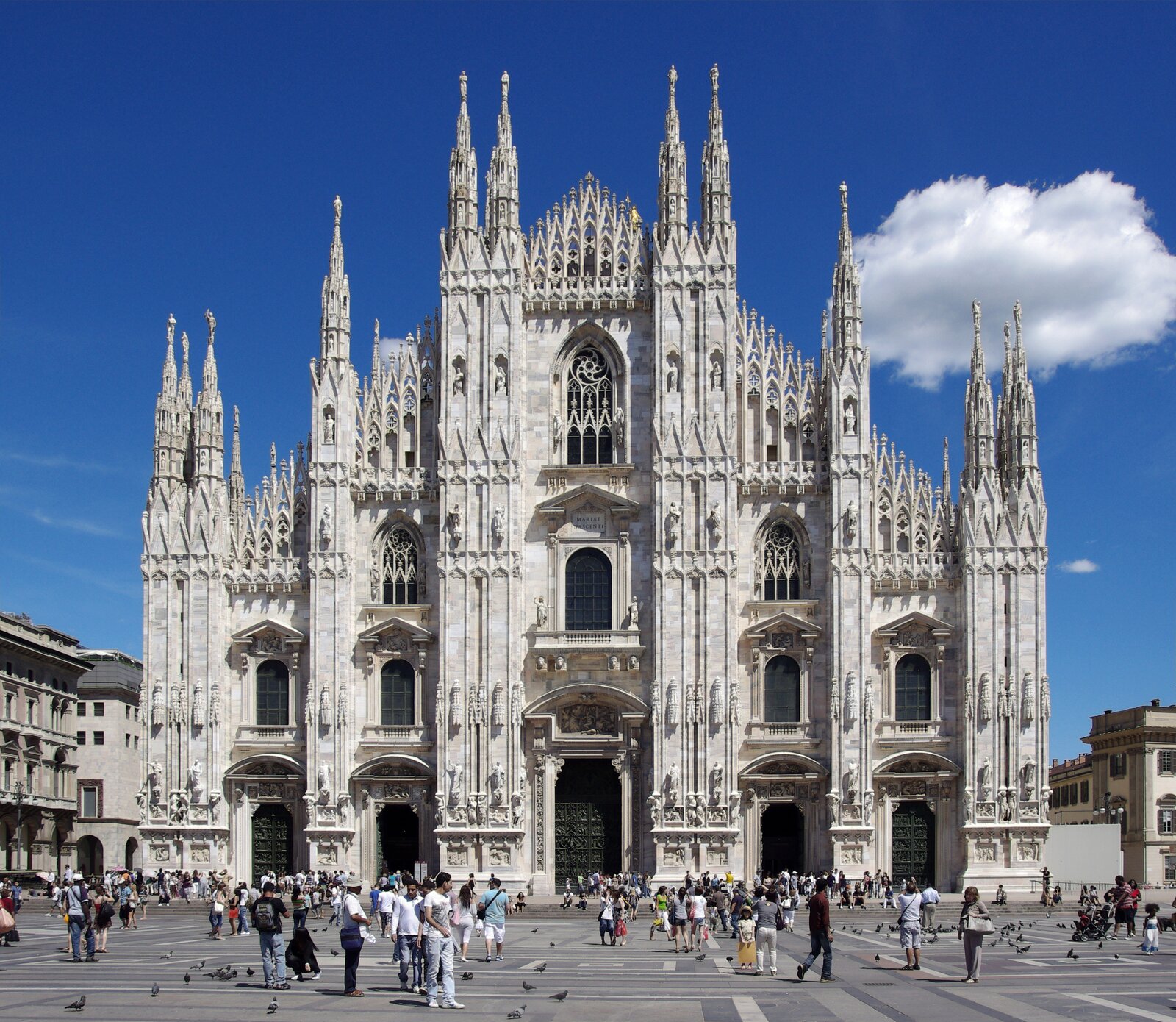
Begun in 1386 and not structurally complete until the twentieth century, built from pink-veined Candoglia marble floated in on canals. It carries something like 3,400 statues and 135 spires, topped by the gilded Madonnina. The essential move is going up: the rooftop terraces let you walk among the flying buttresses and pinnacles, with the Alps visible on a clear day.

Roof access by stairs or lift, ticketed separately from the cathedral interior. Buy the combined pass and go up late in the afternoon.
Duomo di Milano, Milan

02

Galleria Vittorio Emanuele II

Architecture · Shopping

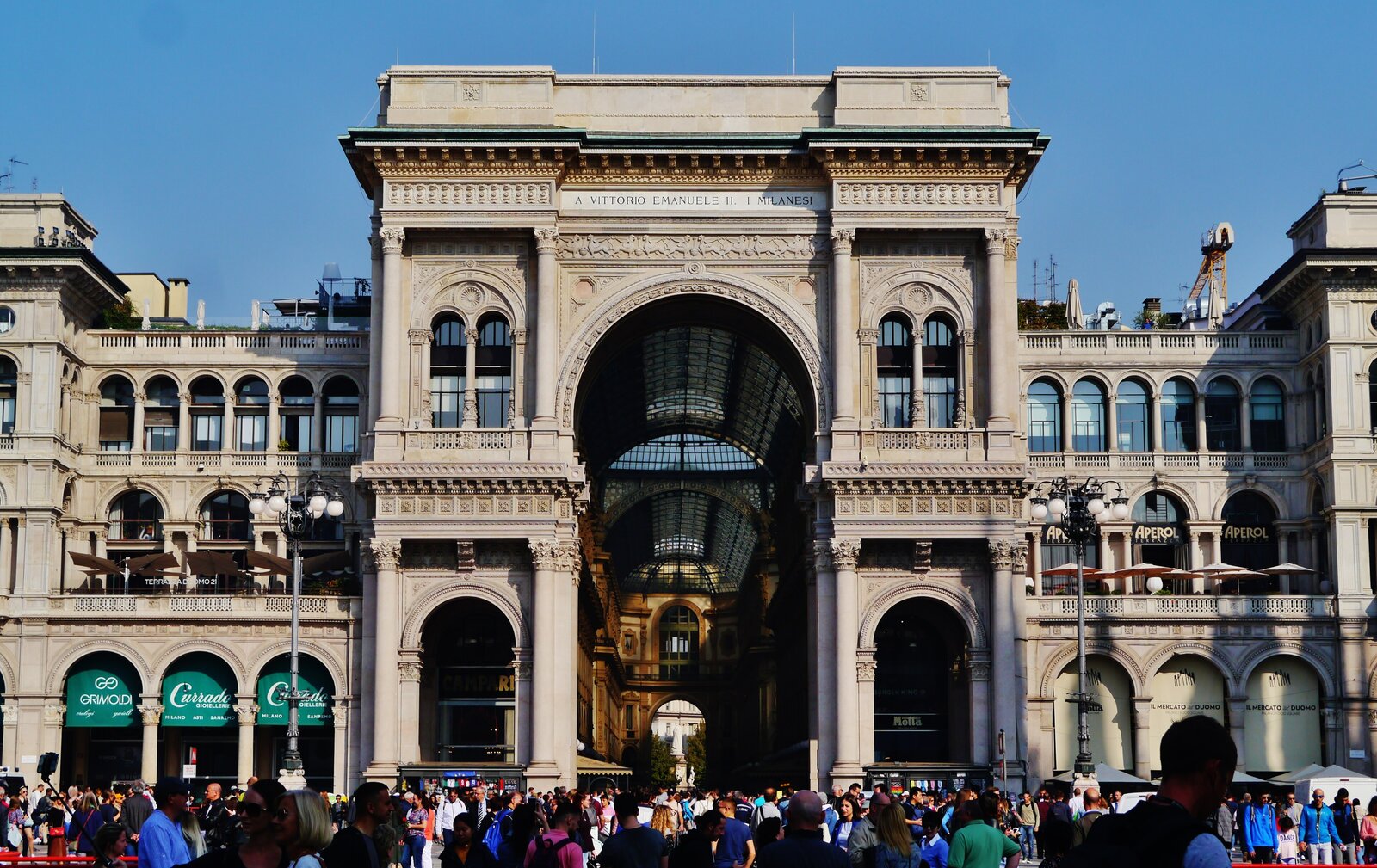
A cross-shaped iron and glass arcade completed in 1877, connecting the Duomo to La Scala and generally considered the ancestor of the modern shopping mall. The mosaic floor under the central dome carries the coats of arms of four Italian cities; local custom says spinning your heel on the Turin bull brings luck, which is why there is a hole worn through it.

Free to walk through and open around the clock. The cafés under the arcade charge accordingly.

Galleria Vittorio Emanuele II, Milan

03

The Last Supper

Art

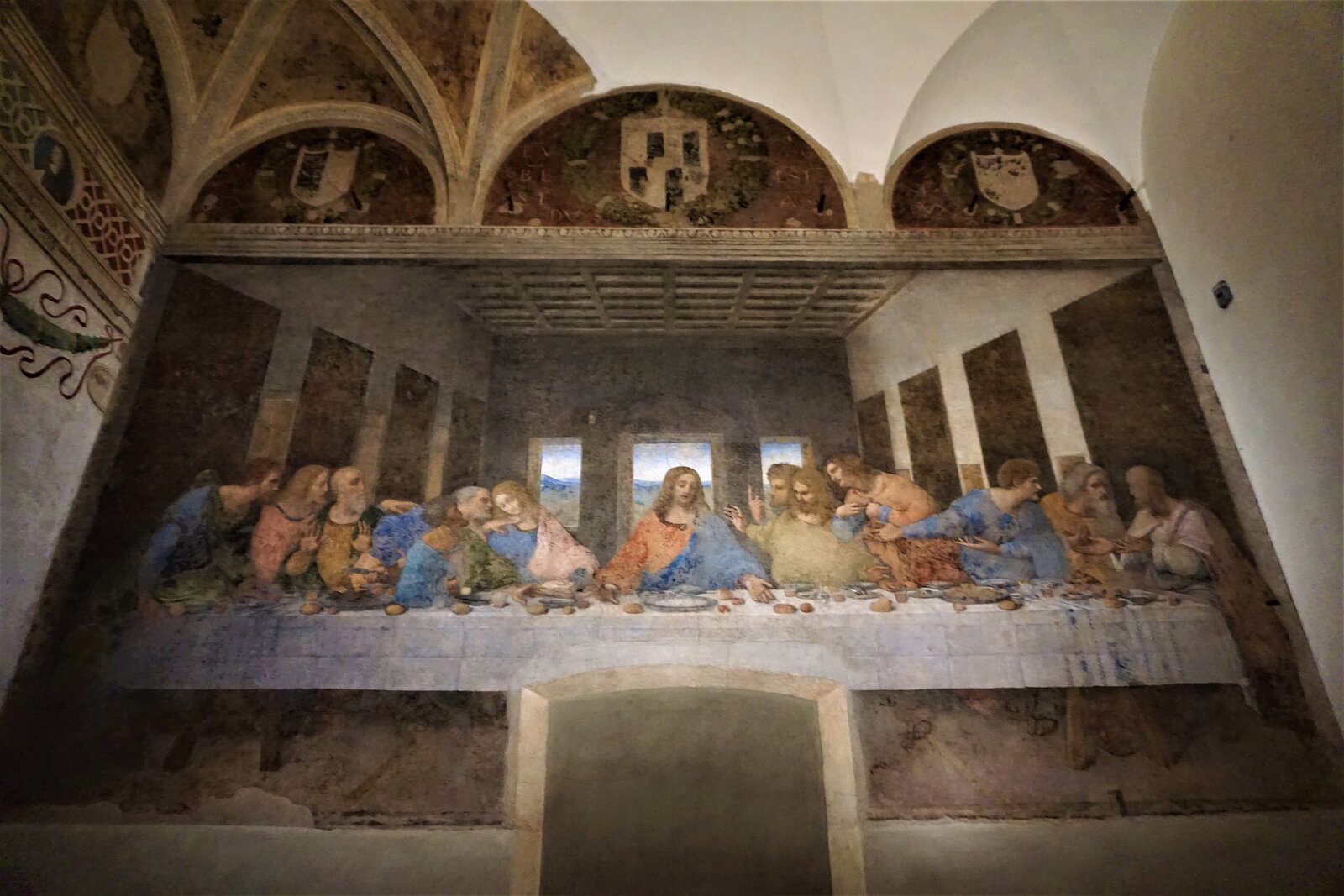
Leonardo painted it on the refectory wall of Santa Maria delle Grazie between 1495 and 1498, using an experimental tempera technique on dry plaster that began deteriorating within his lifetime. What survives is fragile and faint, and it is still one of the most arresting paintings you will ever stand in front of — the moment Christ says one of them will betray him, and twelve people react at once.

Admission is by compulsory timed slot, groups of about 25, fifteen minutes inside. Tickets are released in batches and sell out immediately.

The Last Supper, Milan

04

Teatro alla Scala

Music

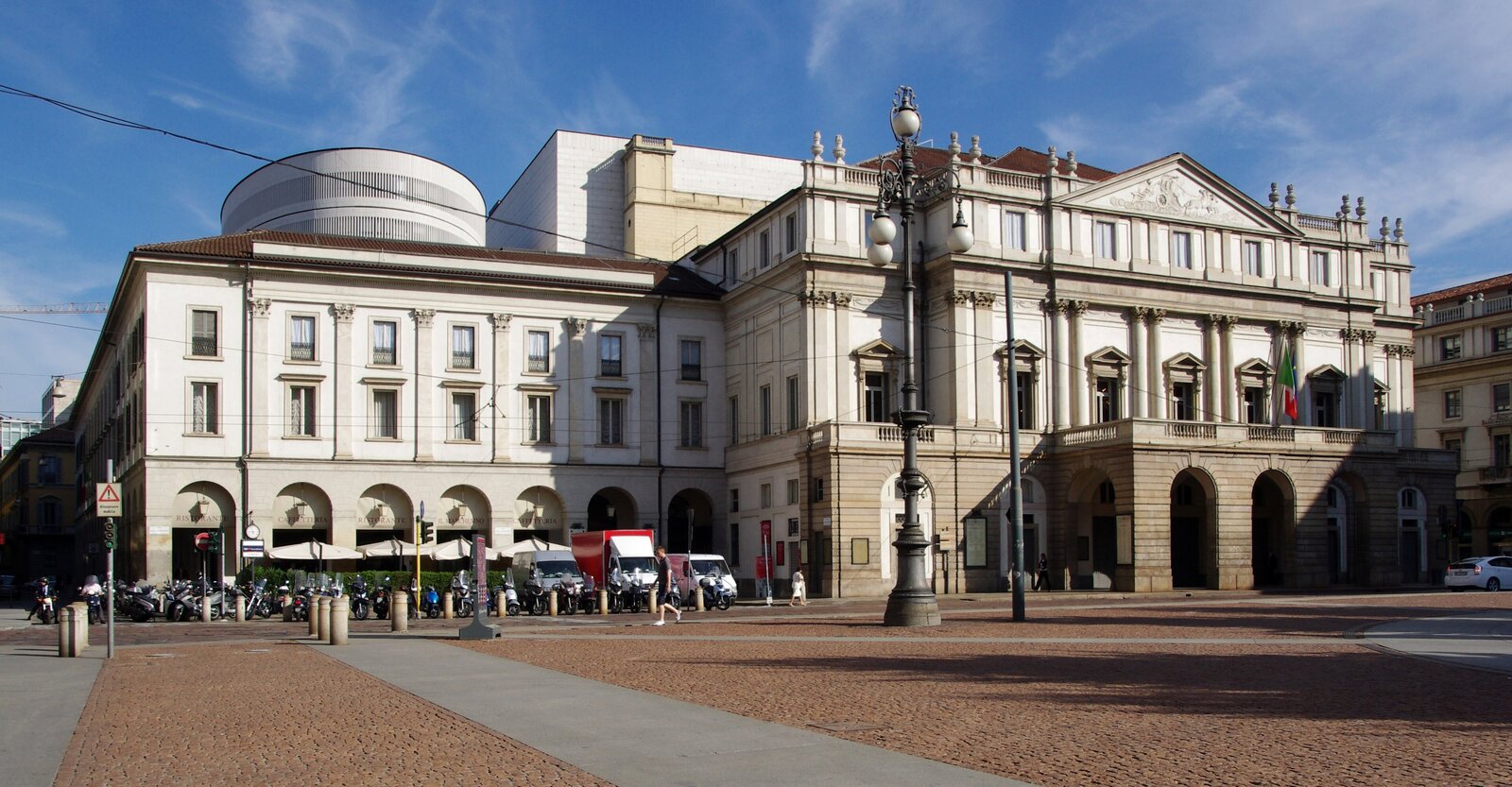
Opened in 1778 and still one of the most demanding opera houses in the world — La Scala audiences have booed famous singers off the stage. The attached museum holds instruments, costumes and portraits, and normally includes a look into a box overlooking the auditorium when there is no rehearsal running.

The main season runs from December through the following summer. Restricted-view gallery seats are sold cheaply on the day.

Teatro alla Scala, Milan

05

Castello Sforzesco & Parco Sempione

History · Museums

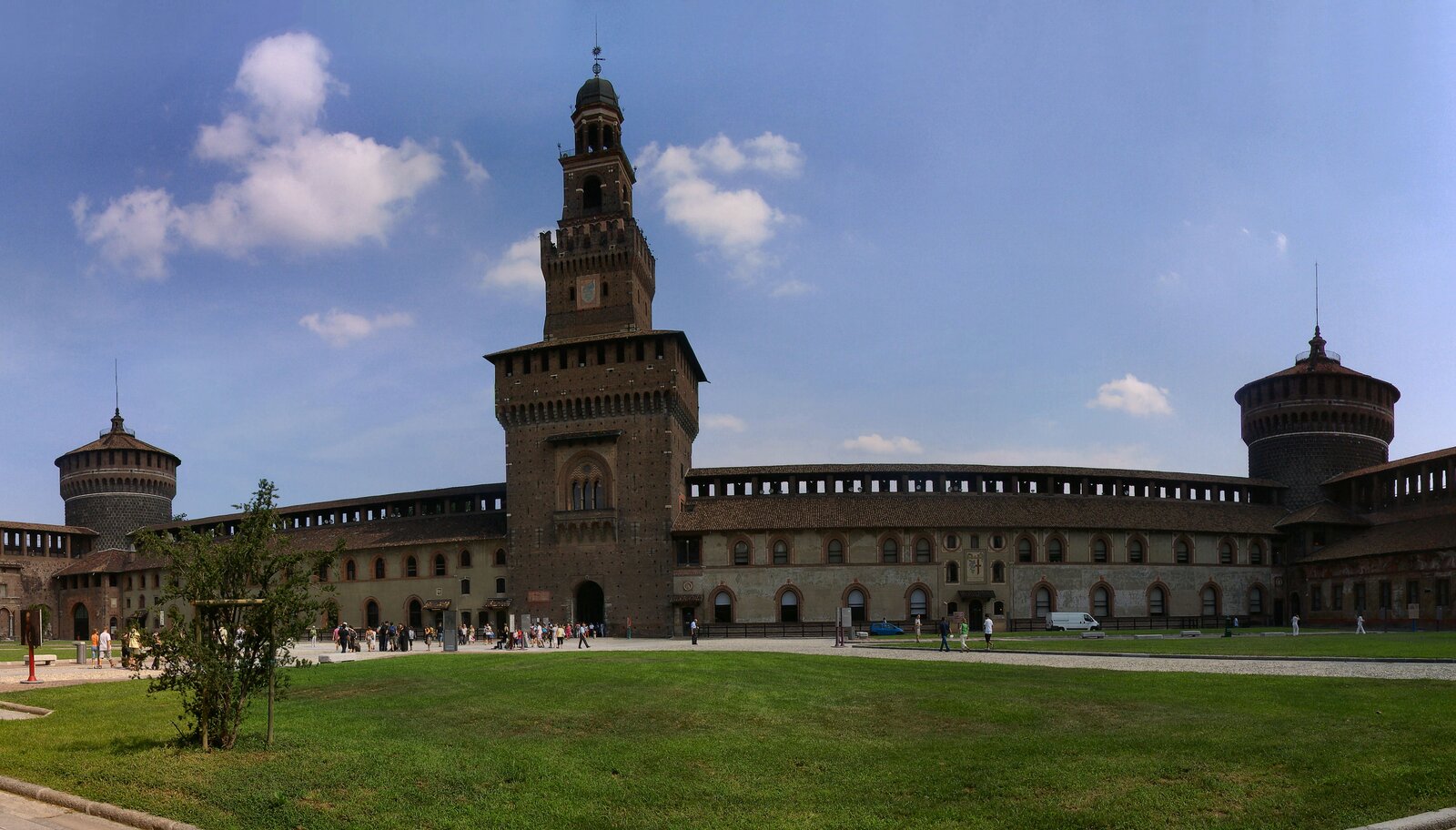
The Sforza dukes' fortress, rebuilt several times and now holding a cluster of civic museums for a single ticket. The one to see is Michelangelo's Rondànini Pietà, the sculpture he was still reworking days before his death at 88 — unfinished, elongated, and completely unlike his early work. Behind the castle, Parco Sempione is the city's main green space.

The castle courtyards are free to walk through even without a museum ticket.

Castello Sforzesco & Parco Sempione, Milan

06

Pinacoteca di Brera

Art

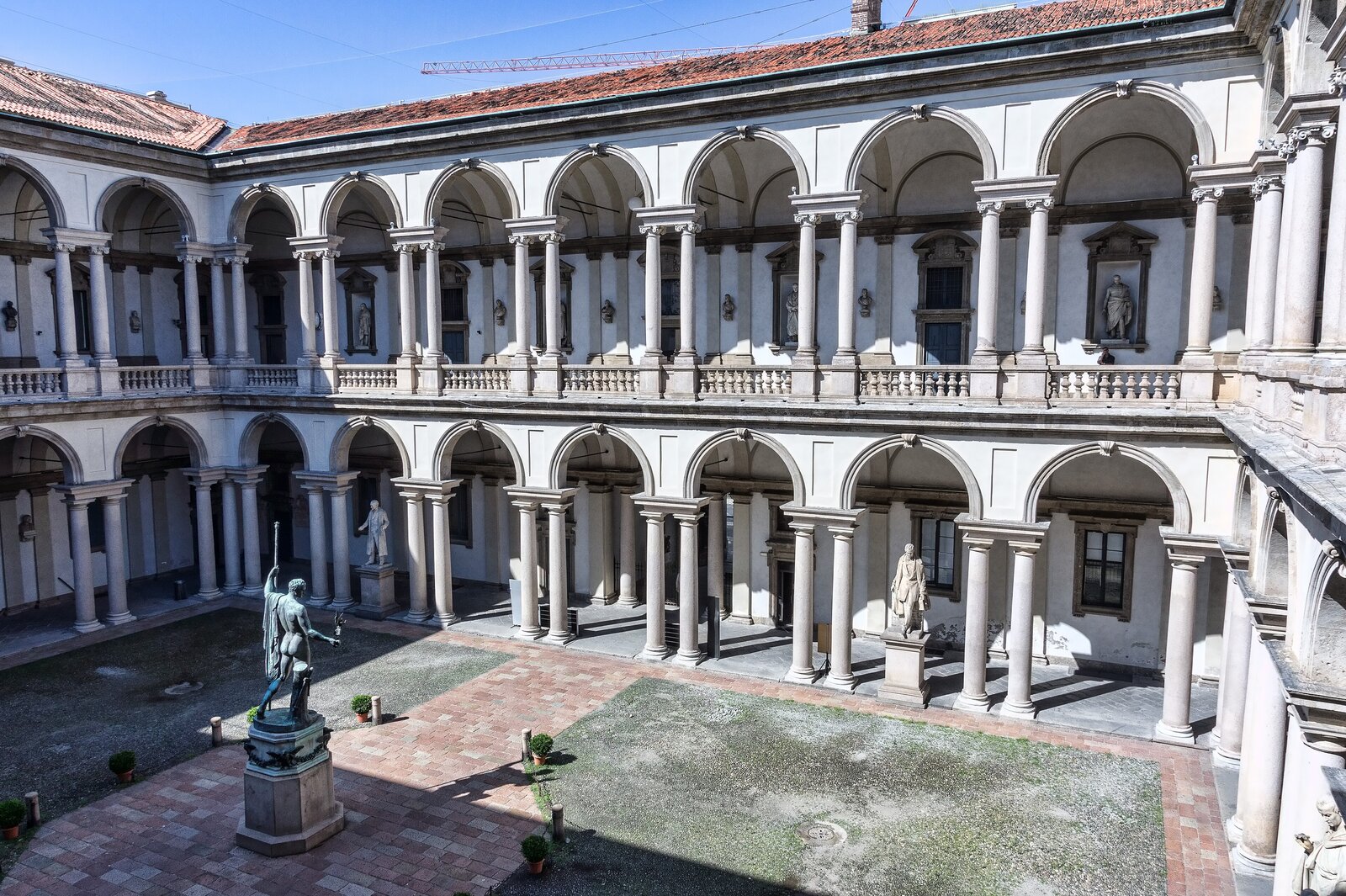
Northern Italian painting in a Baroque palace in the Brera district. Mantegna's Lamentation of the Dead Christ uses a foreshortening so aggressive it still looks like a trick; Piero della Francesca's Brera Madonna hangs an egg above the scene; Hayez's The Kiss became the emblem of Italian unification. The surrounding neighbourhood is the most pleasant in the centre for a walk.

Considerably less crowded than comparable collections elsewhere in Italy.

Pinacoteca di Brera, Milan

07

Navigli

Neighbourhood

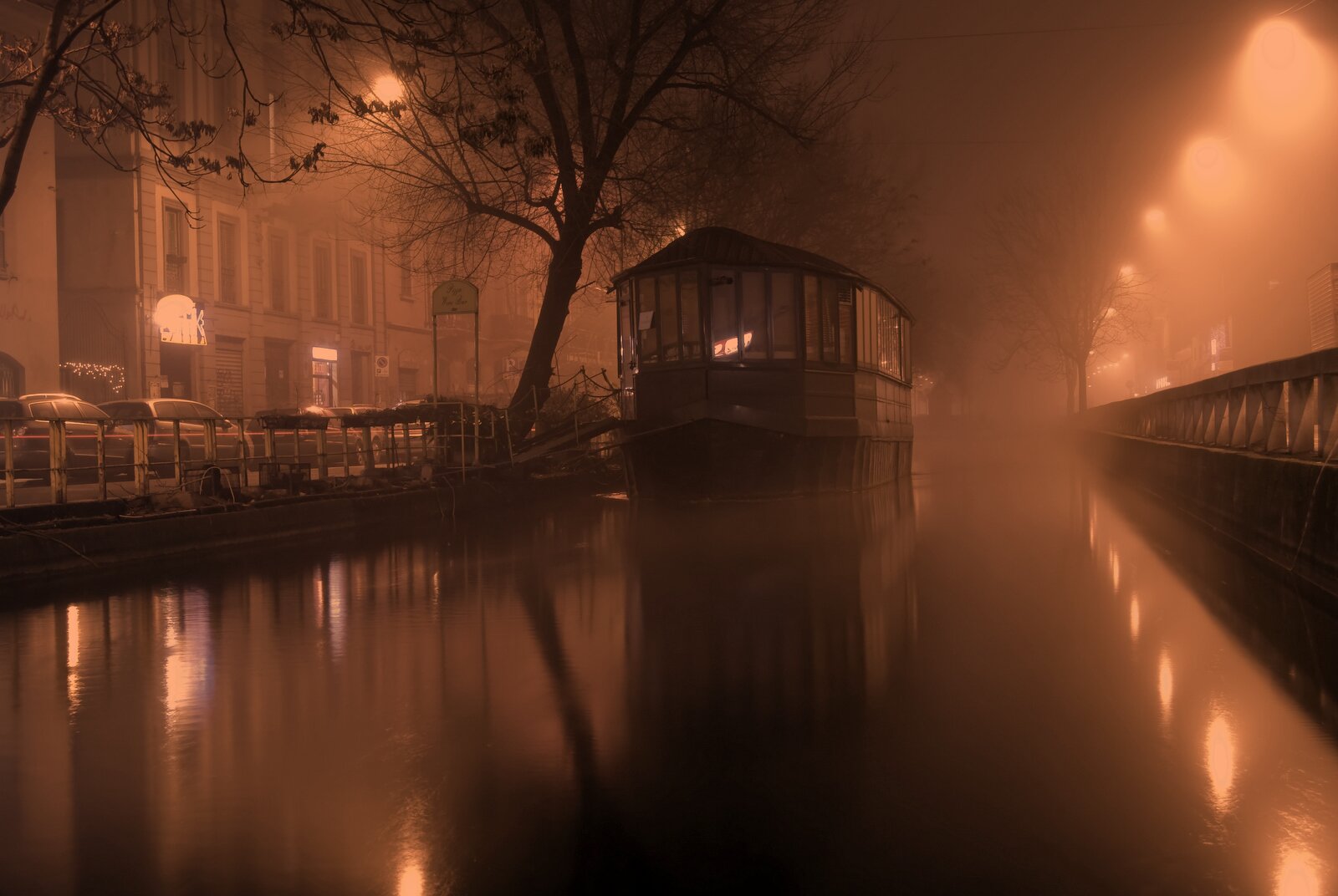
Two surviving canals from a medieval network partly designed with input from Leonardo, originally built to move goods and the marble for the Duomo. The towpaths are now lined with bars and restaurants and are the centre of Milan's aperitivo culture: buy a drink in the early evening and the food comes with it. Busy, informal and a long way from the fashion district in mood.

Aperitivo runs roughly from six to nine. The last Sunday of most months brings a large antiques market along the canal.

Navigli, Milan

08

Quadrilatero della Moda

Shopping · Design

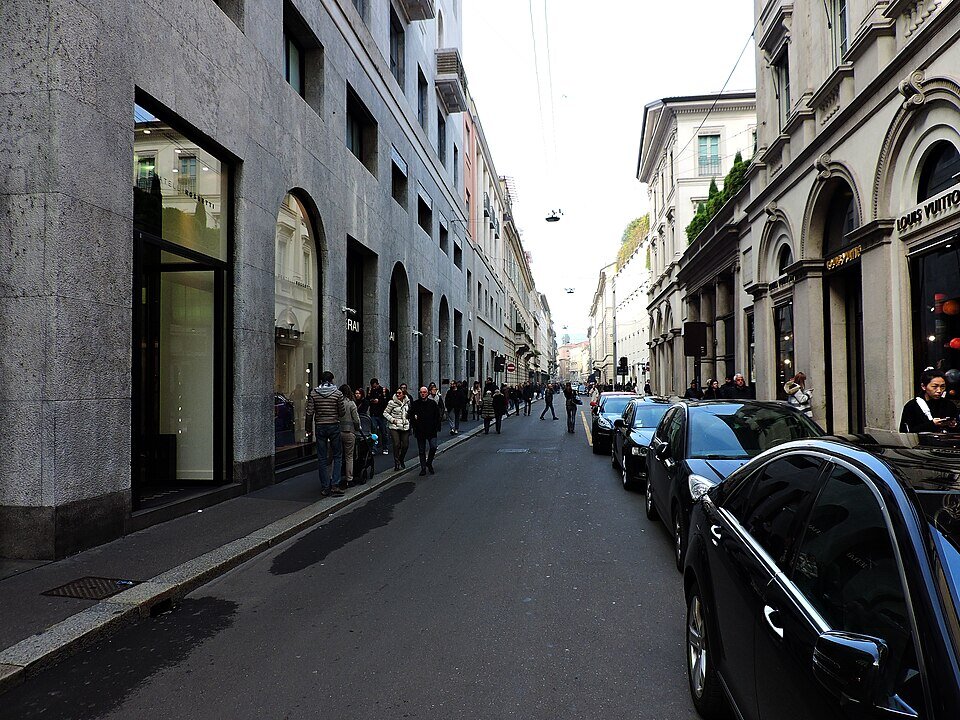
The four streets bounded by Via Montenapoleone, Via della Spiga, Via Manzoni and Corso Venezia hold the flagship stores of essentially every major Italian fashion house. Even with no intention of buying, the window displays are a serious design exercise. For contemporary art and architecture, Fondazione Prada in the south of the city is the more interesting stop.

Milan Fashion Week and the Salone del Mobile design fair both fill the city and push hotel prices up sharply. Check dates before booking.

Quadrilatero della Moda, Milan

Planning

Before you go

When to visit

Spring and autumn. Milan's summer is hot and humid with poor air quality, and much of the city empties in August. Winter is grey and cold but the cultural season is at full strength.

Getting around

The metro is fast and easy, with four lines and a fifth in progress. Trams include some 1920s originals still in service. The central station connects to the high-speed network for Turin, Bologna, Florence, Rome and Venice.

Eat and drink

Milanese cooking is richer and more northern than the Italian stereotype: risotto alla milanese with saffron, cotoletta alla milanese, osso buco, and cassoeula in winter. Panettone is a Milanese invention. Aperitivo is close to a civic institution.