Italia.

Ten cities · A clickable chart

Veneto · 45.4384° N  10.9916° E

Verona

Verona sits in a loop of the Adige river with a first-century Roman amphitheatre in the middle of it that is still, two thousand years later, in regular use. In summer it holds an opera festival of about 13,000 people under the open sky.

Region
Veneto
Airport
Verona Villafranca VRN
Getting around
Entirely walkable historic centre
Give it
1–2 days

A Roman arena that still fills every summer

The city is easily walked in a day, which is why so many people treat it as a stop between Milan and Venice. It repays an overnight: the piazzas are best in the evening, and the opera season only makes sense if you are staying.

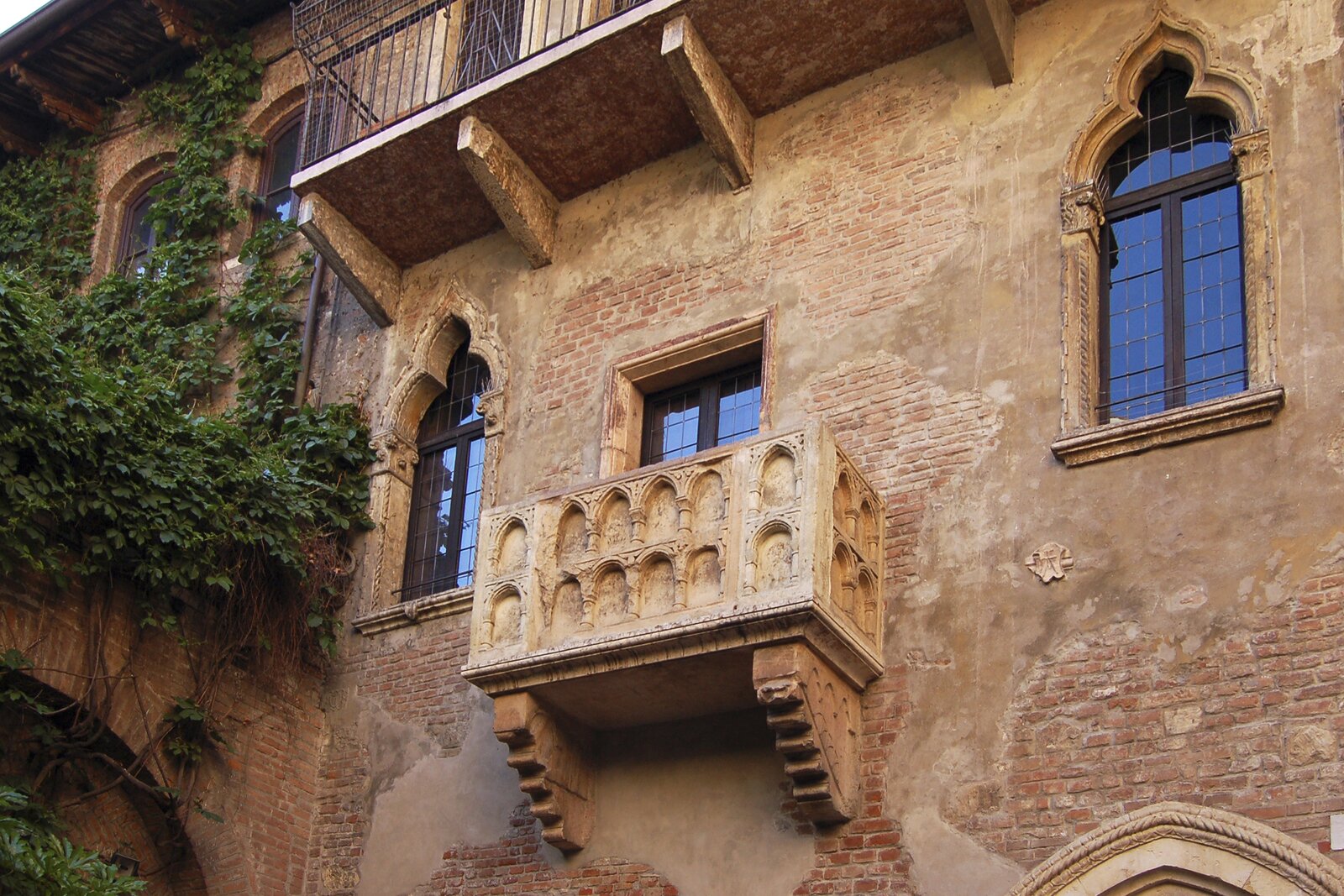
The Shakespeare connection is real in the sense that he set the play here, and entirely invented in the sense that Juliet was not a person and her balcony was added in the twentieth century. Verona is honest enough about this that the site is still fun.

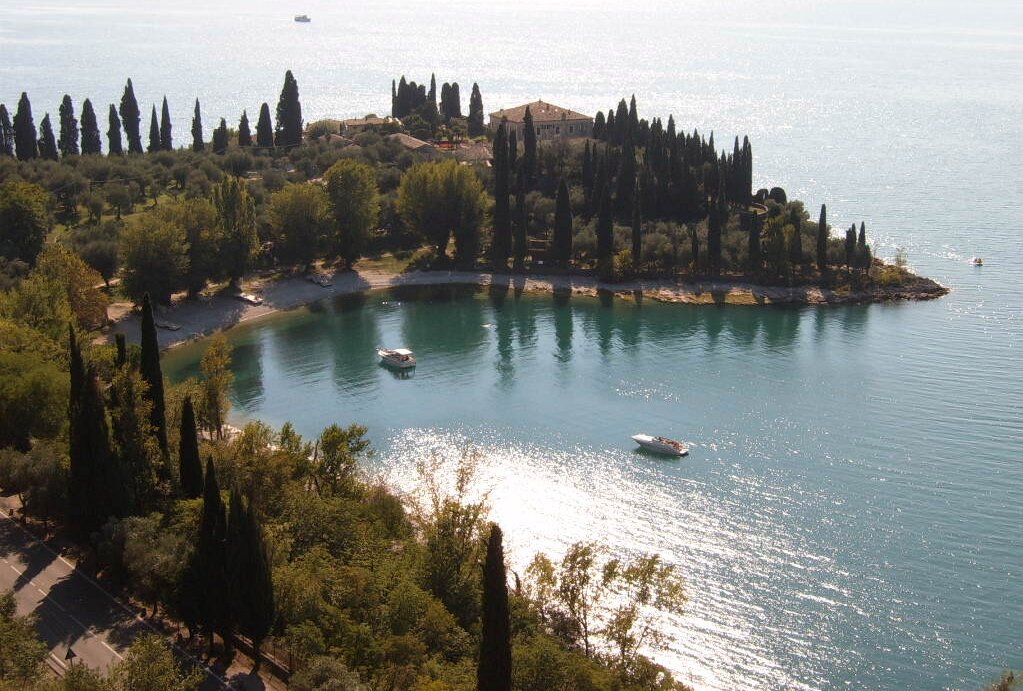
Lake Garda is about thirty minutes away, and the Valpolicella wine hills start immediately north of the city.

What to see

Verona attractions

01

Arena di Verona

Ancient Rome · Music

Built around AD 30, before the Colosseum, and the third-largest Roman amphitheatre still standing. An earthquake in 1117 destroyed most of the outer ring — a fragment called the ala survives — but the interior tiers are largely intact, which is why it still works as a venue. The opera festival has run since 1913, performed without amplification on a stage in the arena floor.

Festival performances run through summer evenings. Cheap unreserved seats are on the stone steps; bring or rent a cushion.
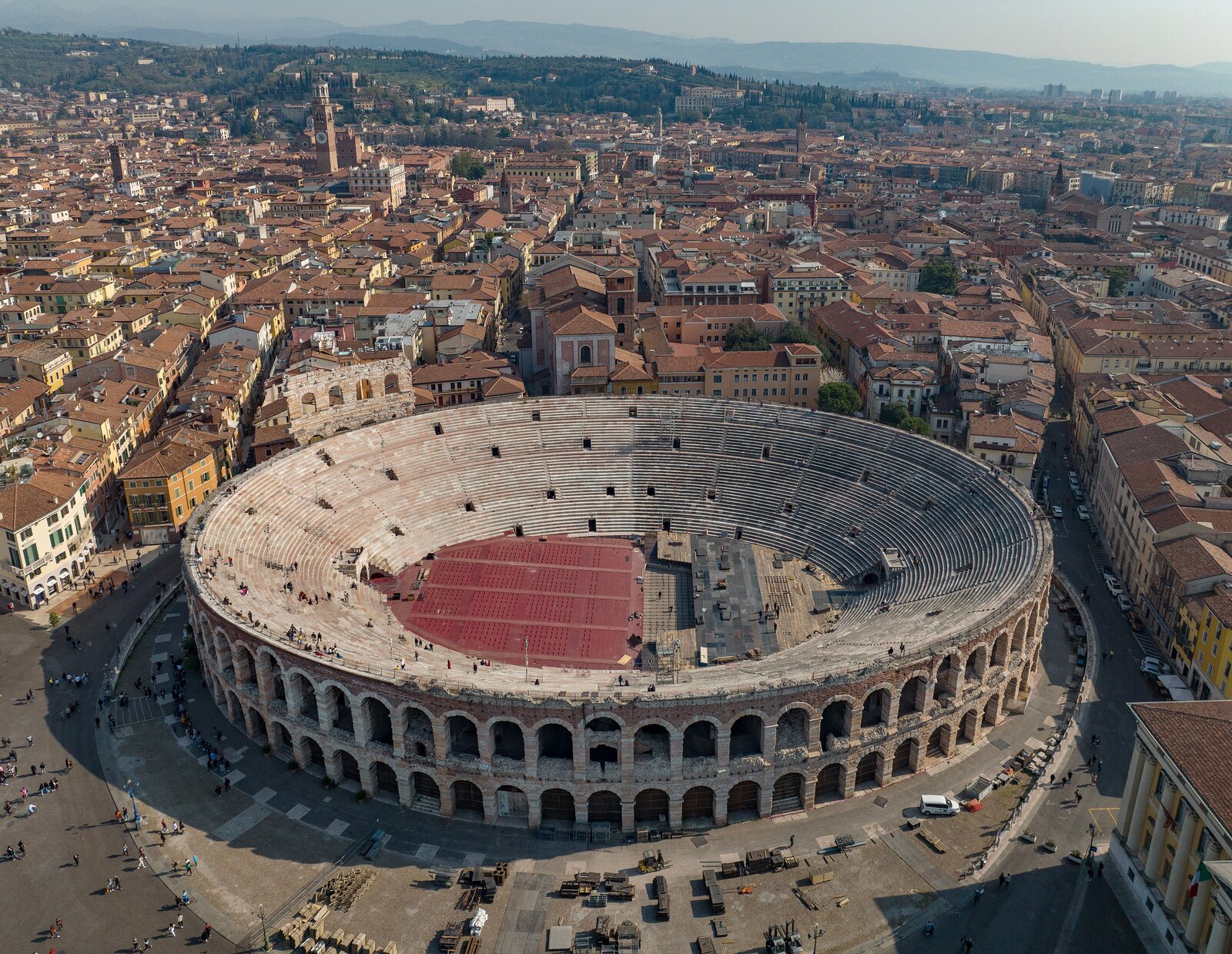
Arena di Verona, Verona

02

Piazza delle Erbe & Piazza dei Signori

Squares

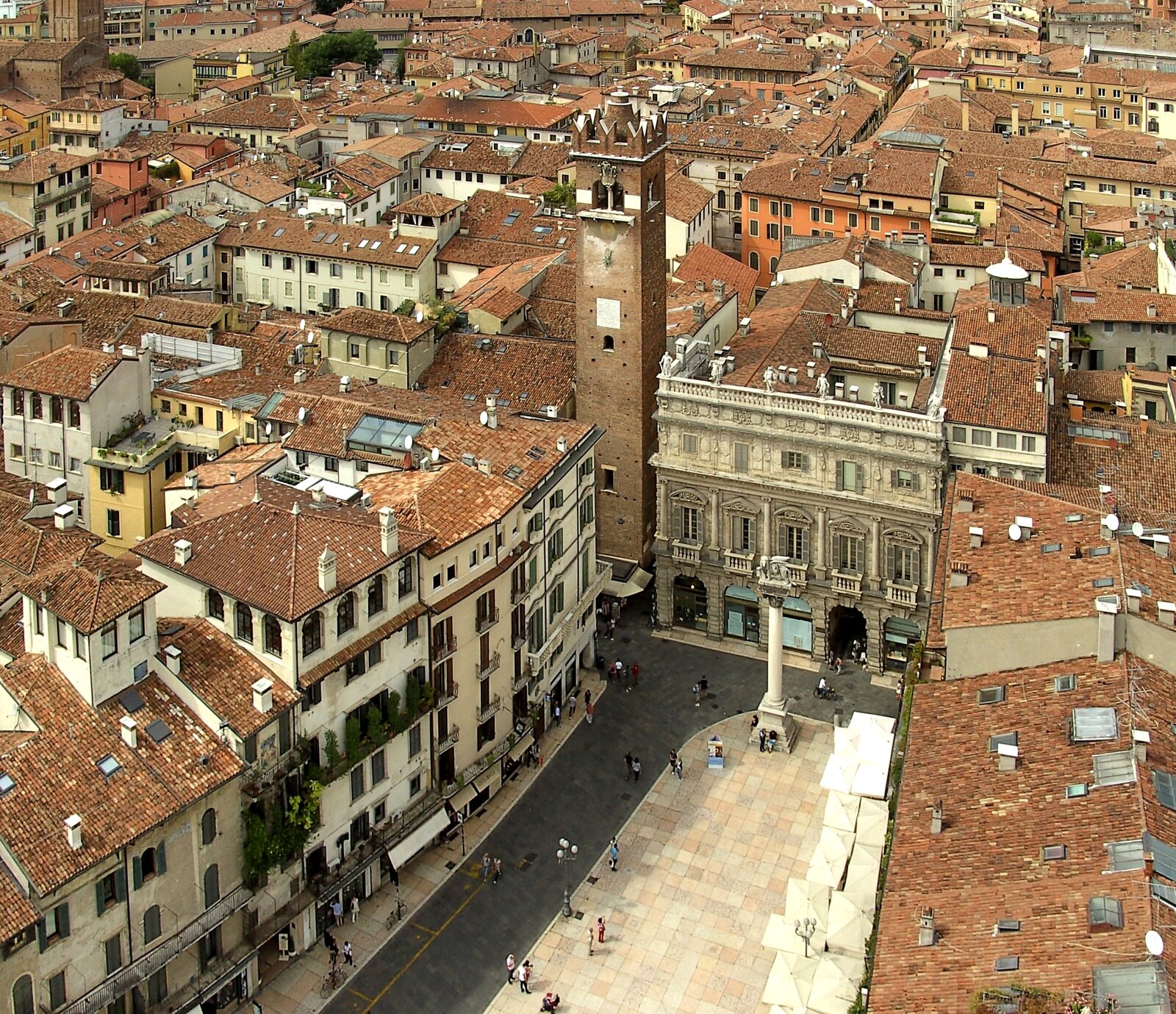
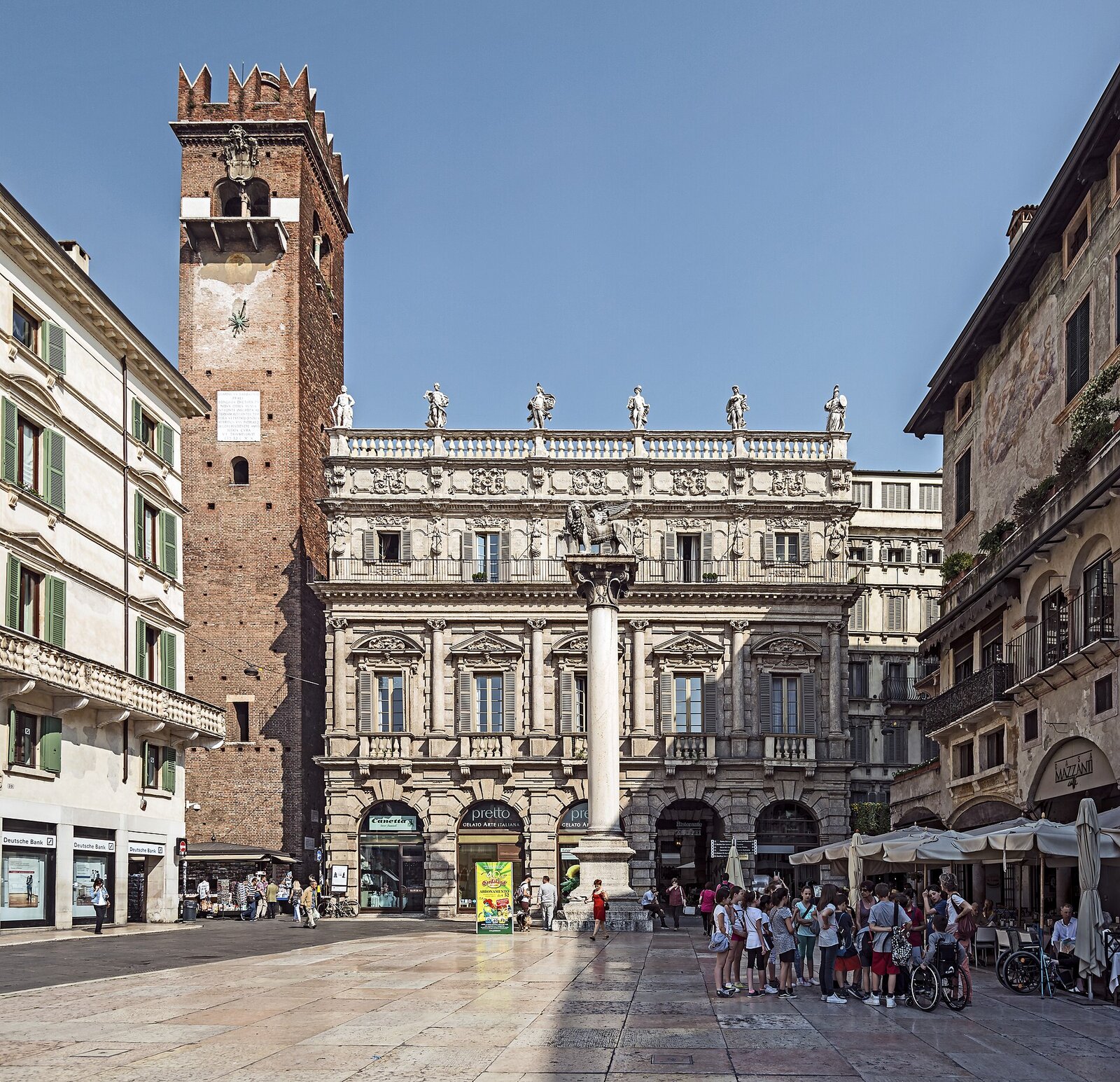
Piazza delle Erbe stands on the site of the Roman forum and has been a market since antiquity, ringed by frescoed facades, a fourteenth-century fountain and the Venetian lion column. A short archway leads through to Piazza dei Signori, quieter and more formal, with the statue of Dante who spent part of his exile here as a guest of the Scaligeri.

The market stalls skew towards souvenirs now. Come in the early morning or after dark when the squares empty out.

Piazza delle Erbe & Piazza dei Signori, Verona

03

Casa di Giulietta

Landmark

A genuine fourteenth-century house belonging to the del Cappello family, whose name was close enough to Capulet for the city to make the connection. The balcony was added in the 1930s from a repurposed sarcophagus. The courtyard is small, crowded and covered in graffiti and love notes, and the bronze Juliet statue has one polished breast from visitors rubbing it for luck.

The courtyard is free; the house interior is ticketed. Go knowing exactly what it is — that makes it enjoyable rather than disappointing.

Casa di Giulietta, Verona

04

Castelvecchio & the Scaliger Bridge

Museums · Architecture

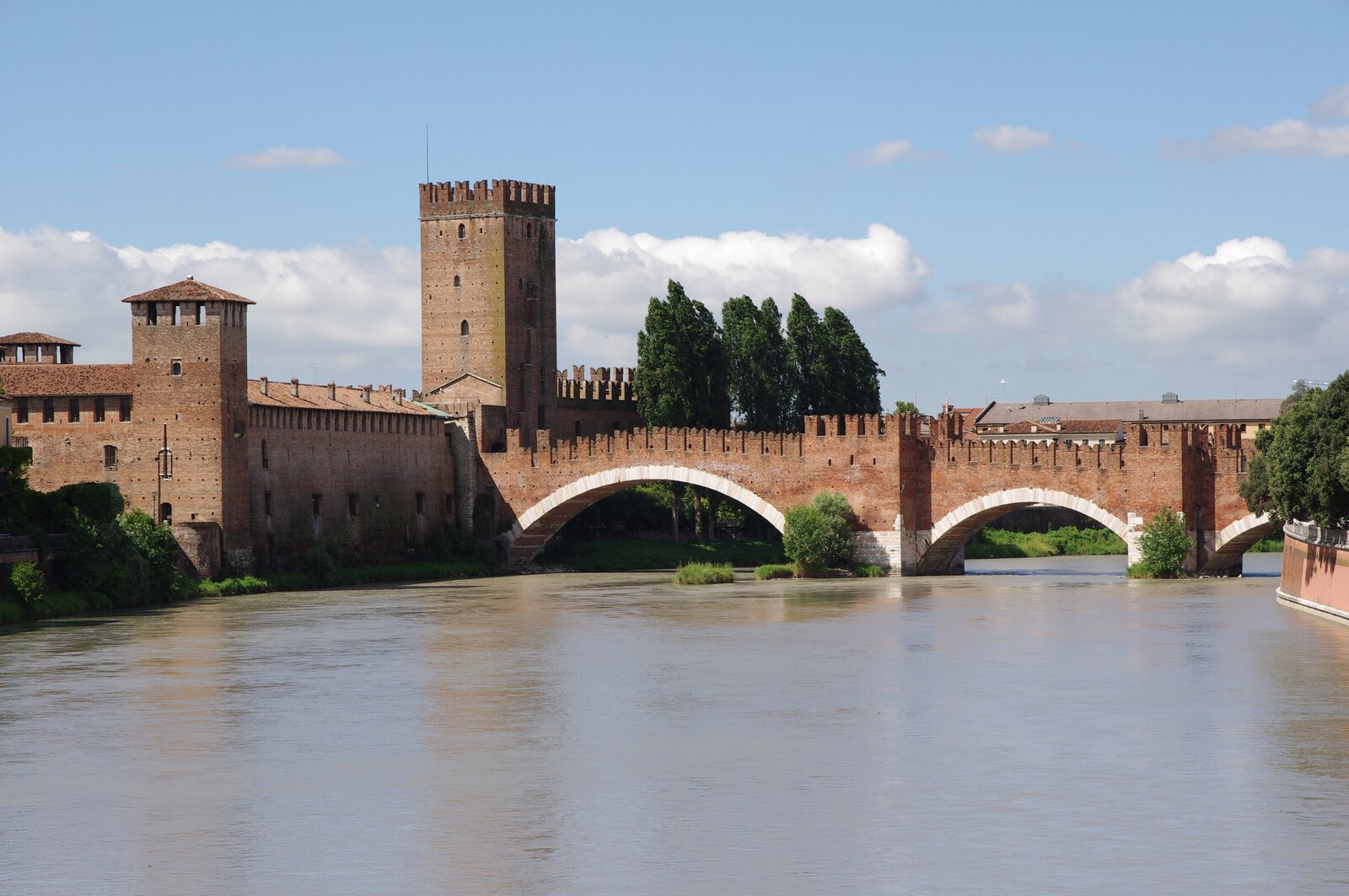
Cangrande II della Scala's fortified castle of 1354, with a private fortified bridge across the Adige so the family could escape north if the city turned on them. The museum inside is famous among architects: Carlo Scarpa's 1960s renovation deliberately exposes the building's layers rather than restoring a false unity, and the mounting of the Cangrande equestrian statue is a set piece.

Both the castle and the bridge were rebuilt after being blown up in 1945, using original stone recovered from the river.

Castelvecchio & the Scaliger Bridge, Verona

05

Basilica di San Zeno Maggiore

Churches

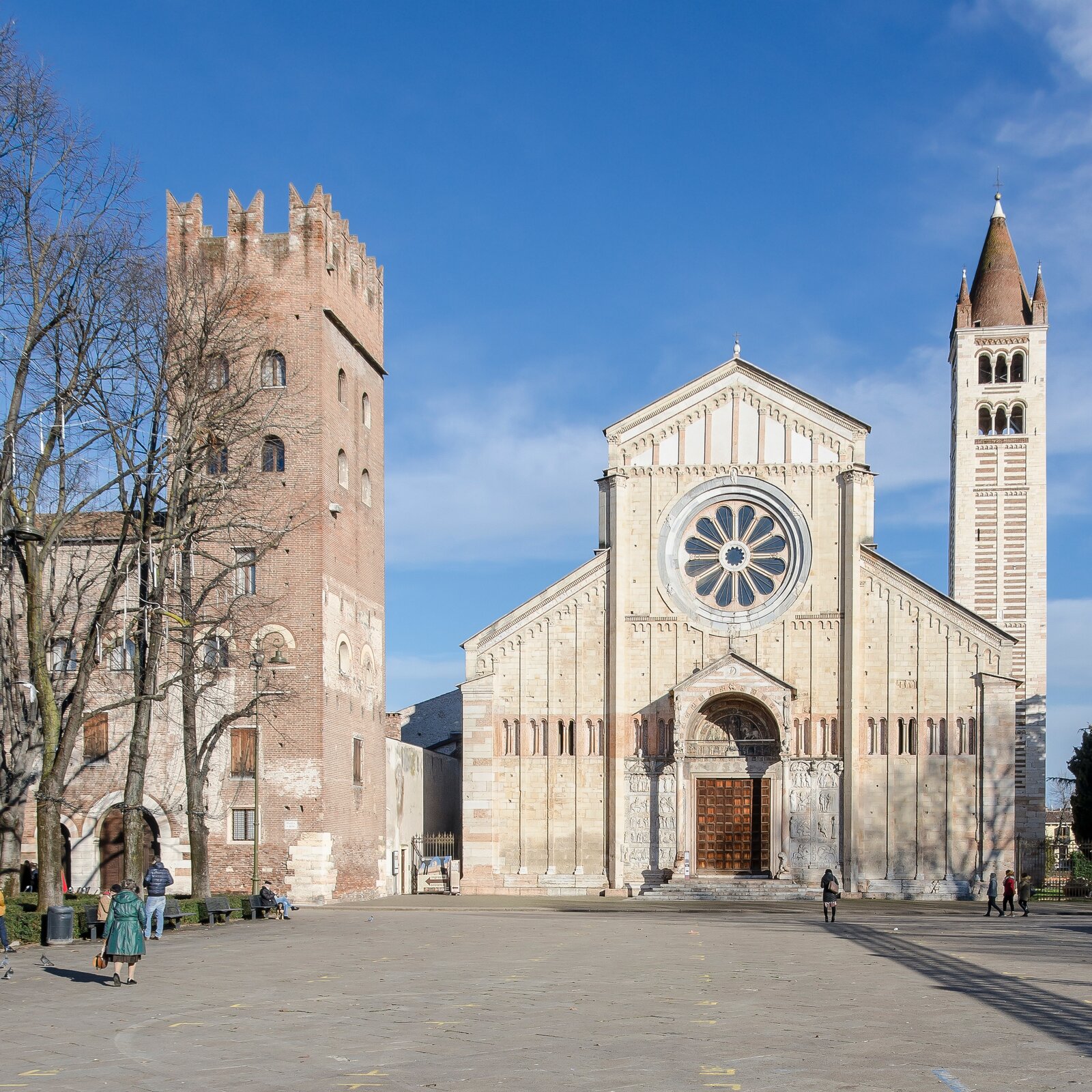
One of the finest Romanesque churches in northern Italy, a short walk west of the centre. The twelfth-century bronze door panels tell biblical stories in a blunt, powerful style that predates any Renaissance polish. Over the altar hangs Mantegna's San Zeno altarpiece. The crypt is where Shakespeare's characters were supposedly married.

Far enough from the centre to be quiet. Combined church tickets covering several Verona churches are good value.

Basilica di San Zeno Maggiore, Verona

06

Torre dei Lamberti

Viewpoint

An 84-metre tower over Piazza delle Erbe, begun in 1172 and raised over the following centuries. From the top you get the terracotta roofscape, the loop of the river, the arena and the hills behind. A lift covers most of the height with a final flight of stairs.

Combined with the Achille Forti modern art gallery in the same palazzo.

Torre dei Lamberti, Verona

07

Roman Theatre & Castel San Pietro

Ancient Rome · Viewpoint

Older than the arena and set into the hillside across the river, the Roman theatre still hosts a summer season of Shakespeare and dance. An archaeological museum occupies the former monastery above it. Keep climbing, or take the funicular, to the Castel San Pietro terrace for the definitive view back over Verona.

The funicular from behind the theatre saves a steep climb. Sunset is the moment.

Roman Theatre & Castel San Pietro, Verona

08

Valpolicella & Lake Garda

Day trips

The Valpolicella hills start immediately north of the city and produce Amarone, made from grapes dried on racks for months before pressing — concentrated, high in alcohol and unlike anything else. South-west, Lake Garda's shoreline towns are half an hour away; Sirmione's peninsula holds a moated castle and the ruins of a large Roman villa.

Winery visits are by appointment.

Valpolicella & Lake Garda, Verona

Planning

Before you go

When to visit

Late spring and early autumn. The opera festival fills the city from roughly June to September and hotel prices rise with it. Winter is quiet and cold, with a Christmas market in the arena square.

Getting around

Everything is walkable. Verona Porta Nuova sits on the main Milan–Venice line, about an hour from either, and connects north towards the Brenner Pass and Austria.

Eat and drink

Veneto cooking inland: bigoli pasta with duck ragù, pastissada de caval (a slow-cooked horse-meat stew that is a genuine local speciality), risotto all'Amarone, and gnocchi — Verona holds a gnocchi festival during Carnival. Drink Valpolicella, Soave and Amarone.