Italia.

Ten cities · A clickable chart

Veneto · 45.4408° N  12.3155° E

Venice Venezia

Venice was built on wooden piles driven into a lagoon by people escaping the mainland, and for a thousand years it ran a maritime empire from a set of mudflats. There are no cars. Everything — groceries, post, ambulances, rubbish — moves by boat or on foot.

Region
Veneto
Airports
Marco Polo VCE · Treviso TSF
Getting around
On foot and by vaporetto waterbus
Give it
2–3 days, ideally with nights

A city with canals where the streets should be

The city is made of six sestieri spread across roughly 120 small islands, connected by more than four hundred bridges. Almost none of them have ramps, which matters if you are carrying luggage or have limited mobility.

You will get lost. This is normal and, honestly, the best part. The signage system points towards a handful of anchors — San Marco, Rialto, Ferrovia, Accademia — and following those yellow signs will always get you somewhere recognisable.

Day-trippers arrive around ten and leave by six. If you stay overnight, the early morning and the evening give you a genuinely different city: quiet canals, working boats, and squares with nobody in them.

What to see

Venice attractions

Planning a visit? See the practical guide →

01

Basilica di San Marco

Architecture · Churches

A Byzantine church on Italian soil, consecrated in its present form in 1094 and covered inside with roughly 8,000 square metres of gold-ground mosaic. The Pala d'Oro behind the altar is a gold and enamel screen studded with thousands of gemstones. Upstairs, the museum gets you out onto the loggia beside the four bronze horses — looted from Constantinople in 1204 — and directly over the square.

Bags larger than a small daypack are not allowed inside and must be left at a nearby deposit. Covered shoulders and knees required.
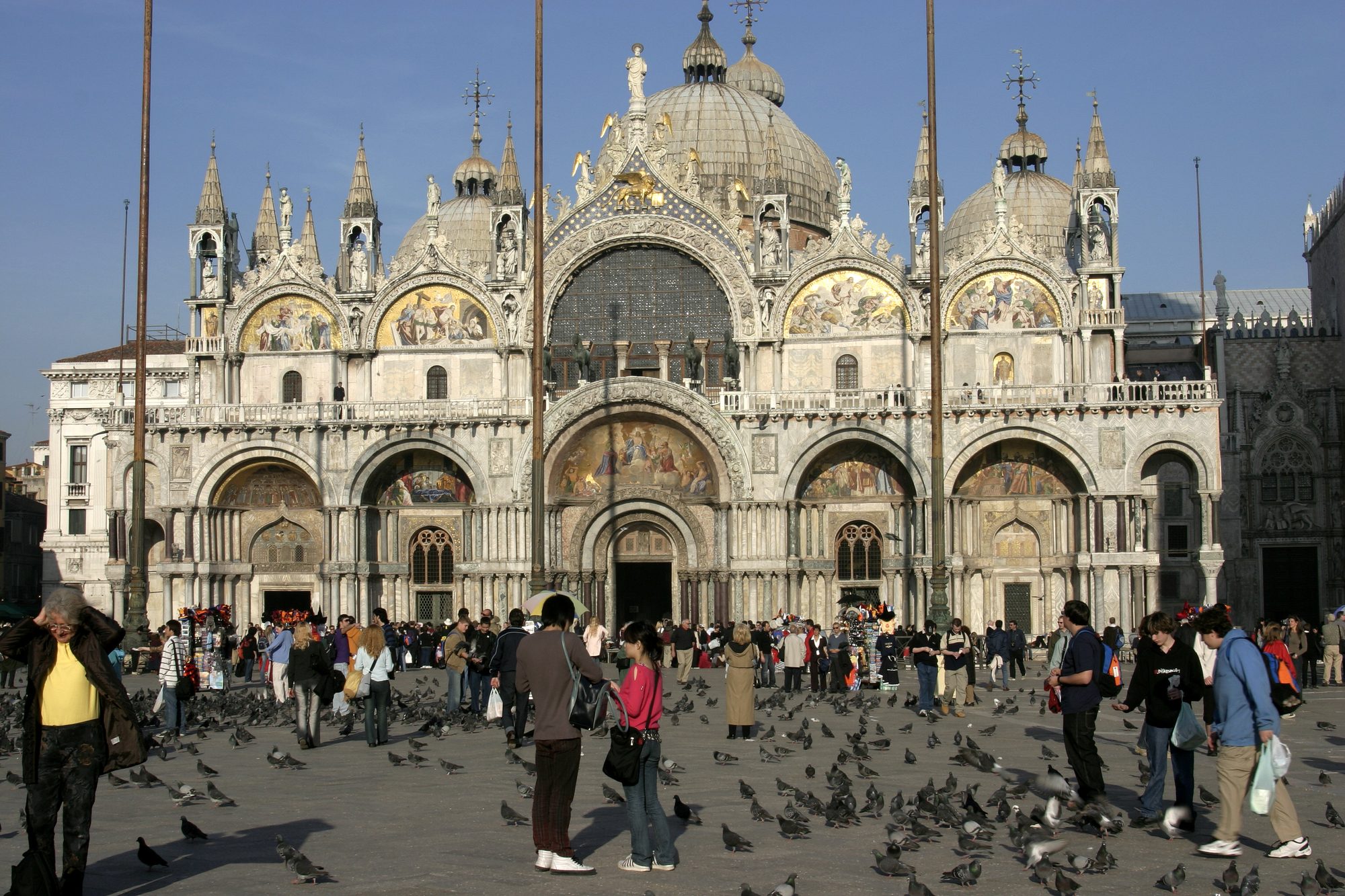
Basilica di San Marco, Venice

02

Palazzo Ducale

Palace · History

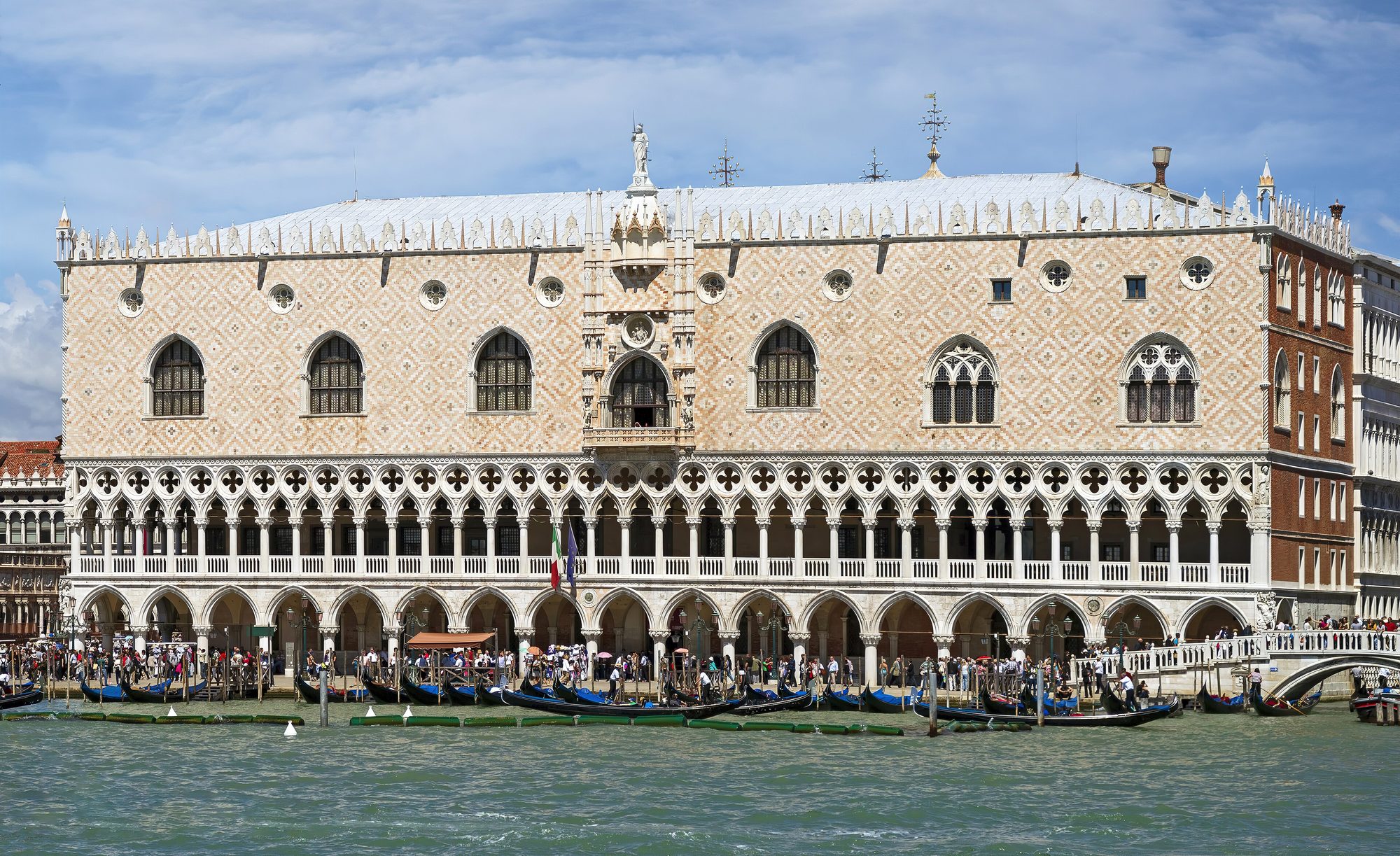
The seat of the Venetian Republic for centuries — the doge's residence, the senate, the courts and the prison in one Gothic building. The Chamber of the Great Council holds Tintoretto's Paradise, among the largest canvas paintings anywhere. The route ends over the Bridge of Sighs into the New Prisons, which is the only way to see the bridge from the inside.

The Secret Itineraries tour covers the interrogation rooms and the attic cells Casanova escaped from. Small groups, book ahead.

Palazzo Ducale, Venice

03

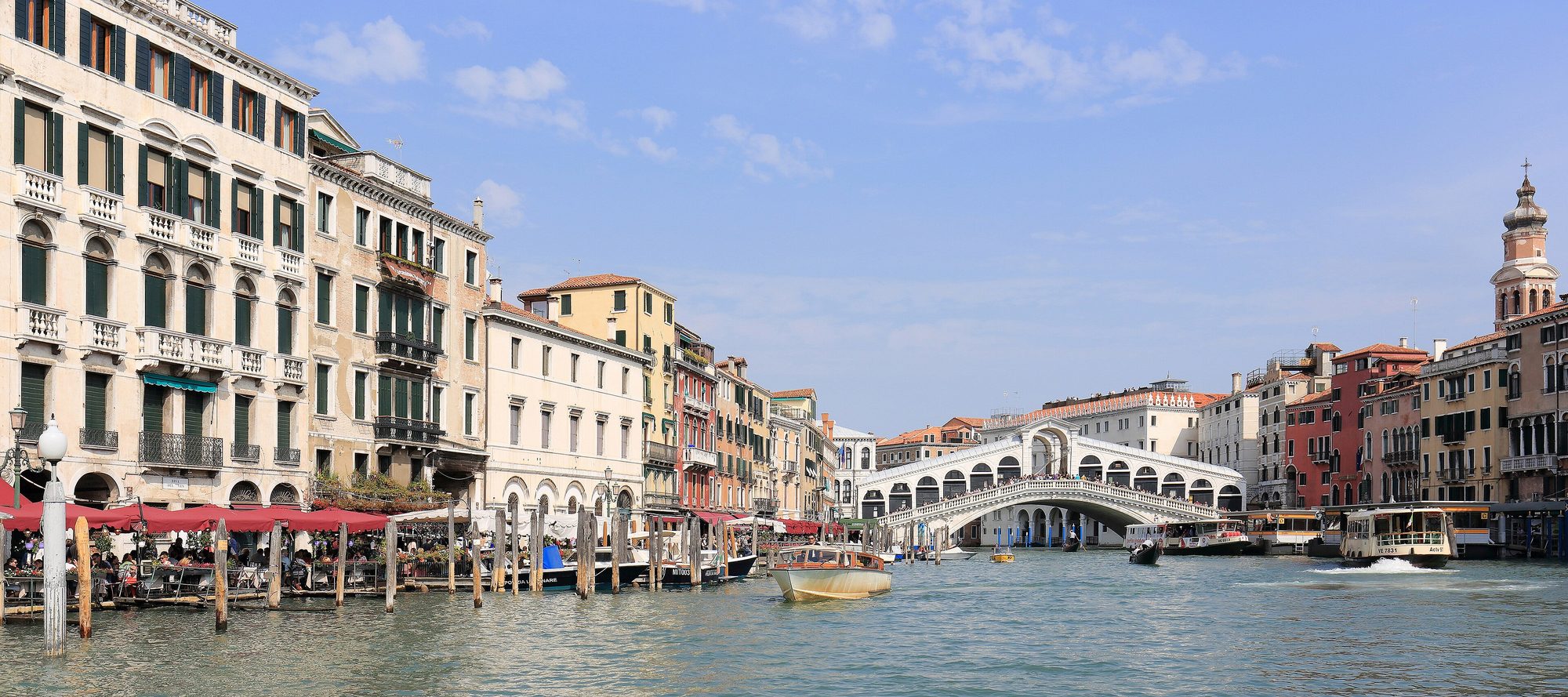
The Grand Canal by vaporetto

Canals

The main waterway curves through the city for about 3.8 kilometres, lined on both sides with the palaces of the merchant families who paid for them. Line 1 is the slow boat that stops everywhere, which is exactly what you want. Sit outside at the back if you can. It costs a fraction of a gondola ride and shows you more.

A single vaporetto ticket is expensive; day and multi-day passes are much better value if you plan more than two trips.

The Grand Canal by vaporetto, Venice

04

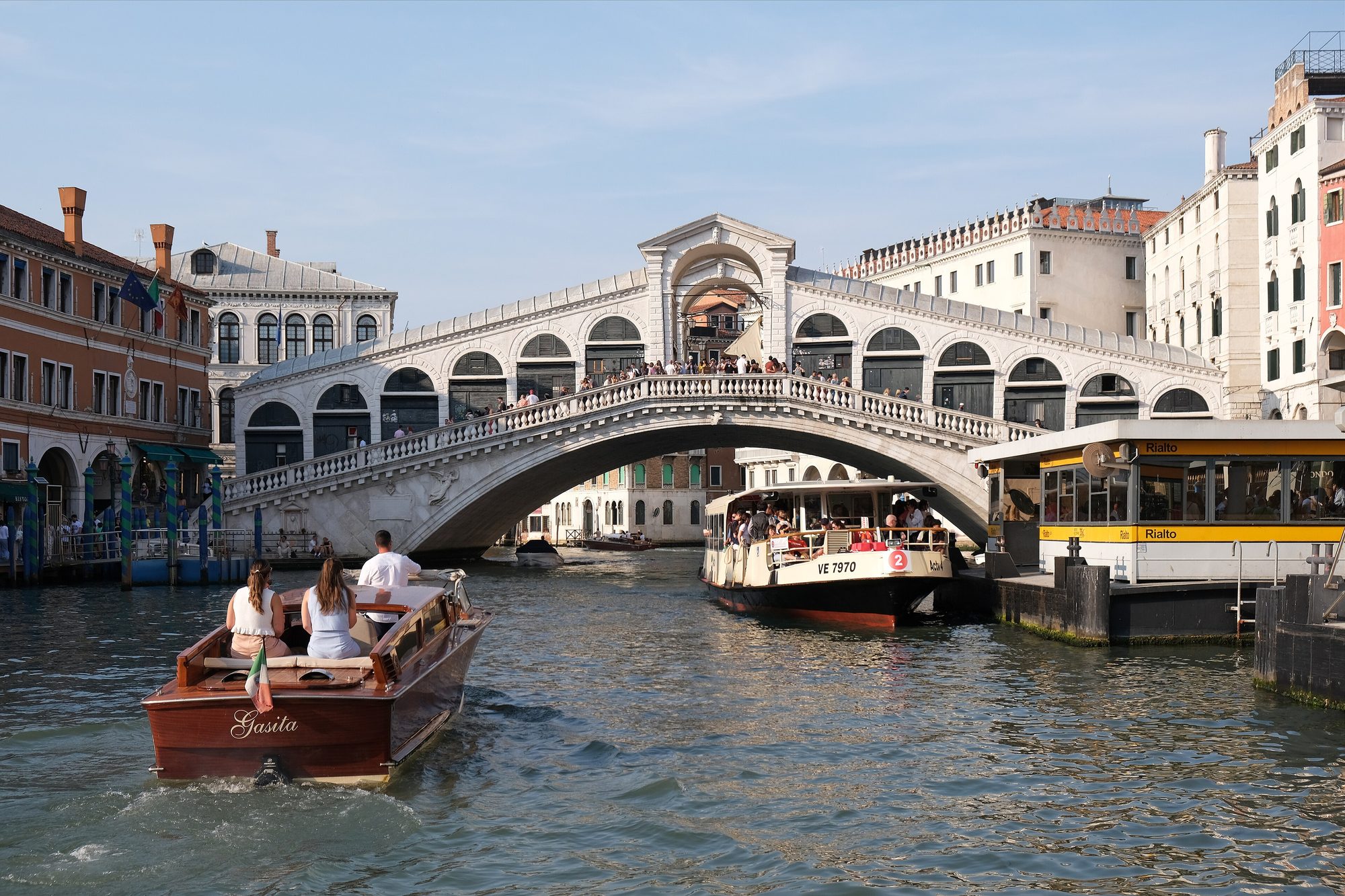
Rialto Bridge & the markets

Markets

The stone bridge of 1591 replaced a series of collapsing wooden ones and was, for centuries, the only fixed crossing of the Grand Canal. The real interest is on the San Polo side, where the Erberia produce market and the Pescaria fish market have traded on the same spot for roughly seven hundred years. The fish market is a working market, not a display.

Markets run in the morning and are closed on certain days.

Rialto Bridge & the markets, Venice

05

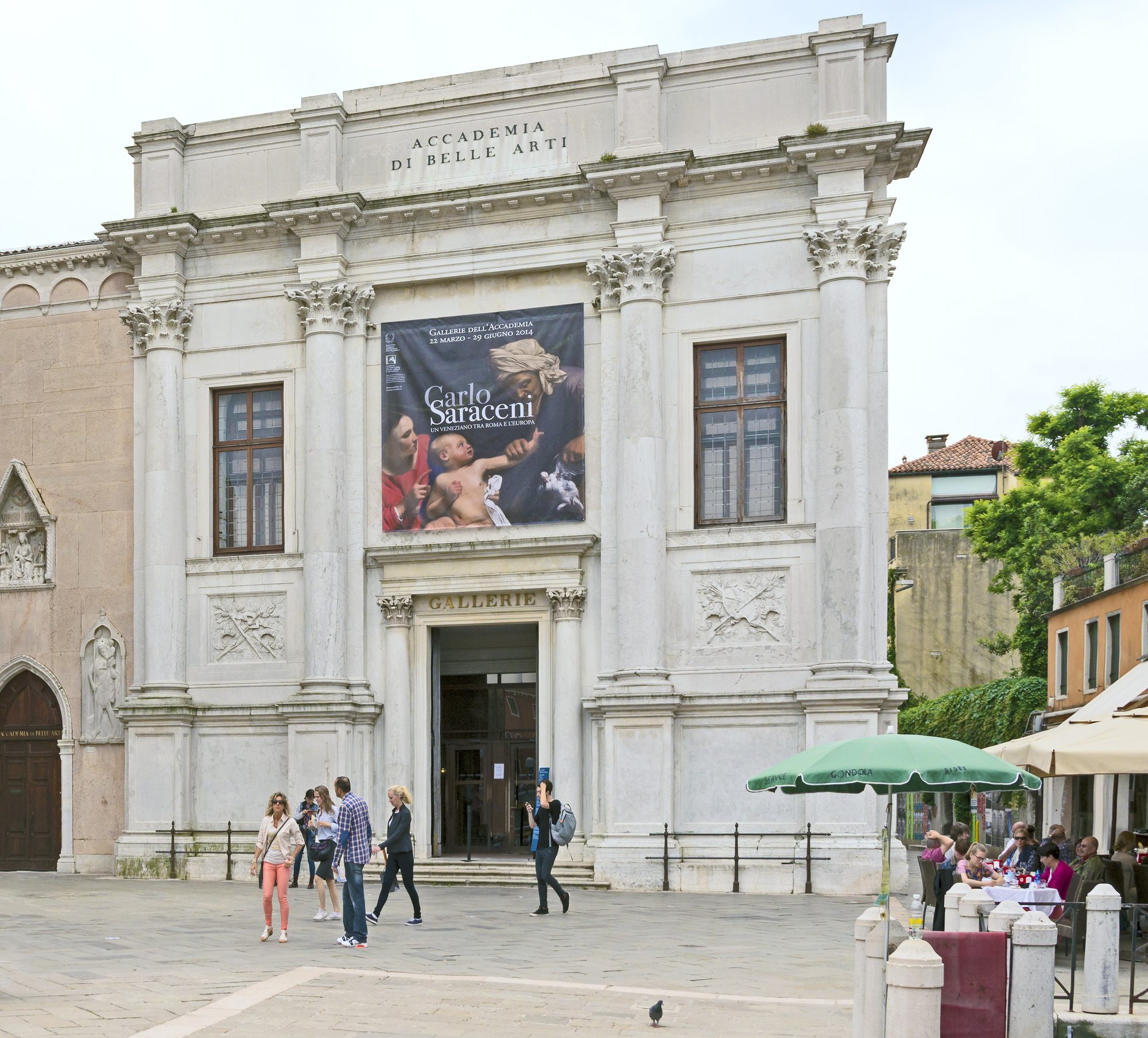
Gallerie dell'Accademia

Art

Venetian painting from the fourteenth to the eighteenth century, in one building. Giorgione's Tempest is the enigmatic centrepiece — nobody has satisfactorily explained the subject in five hundred years. Also Bellini, Carpaccio's narrative cycles, Veronese's enormous Feast in the House of Levi, and Titian. The Venetian obsession with light and colour makes more sense once you have seen the lagoon.

Quieter than the equivalent galleries in Florence or Rome. Mornings are best.

Gallerie dell'Accademia, Venice

06

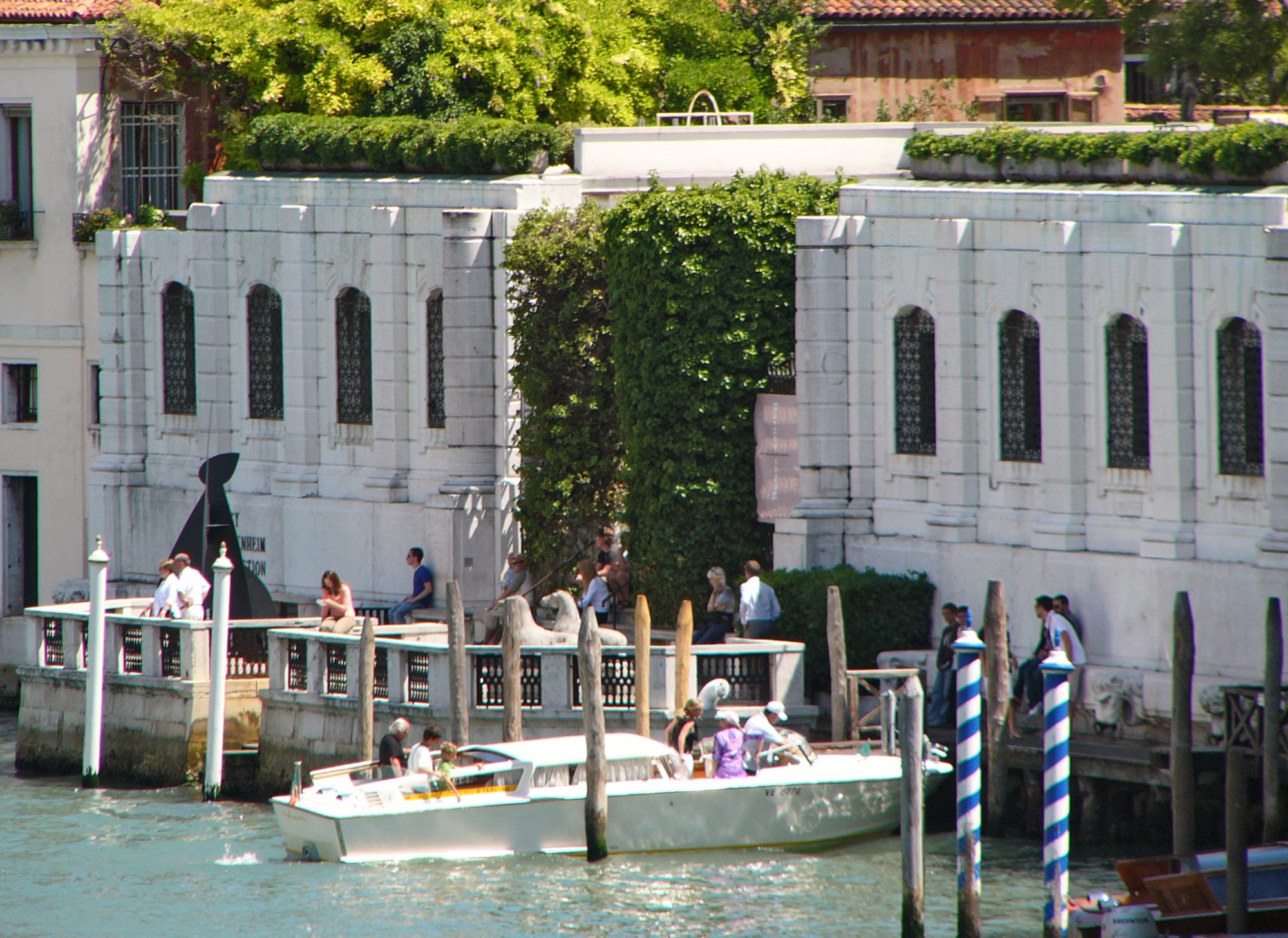
Peggy Guggenheim Collection

Modern art

The unfinished single-storey Palazzo Venier dei Leoni on the Grand Canal, where Peggy Guggenheim lived for thirty years with her collection and her dogs. Pollock, Ernst, Picasso, Duchamp, Magritte, Brancusi — a sharp, personal survey of European and American modernism, hung in domestic-scale rooms with a sculpture garden and a canal terrace.

A welcome change of register if the Renaissance is starting to blur. Allow ninety minutes.

Peggy Guggenheim Collection, Venice

07

Murano, Burano & Torcello

Lagoon islands

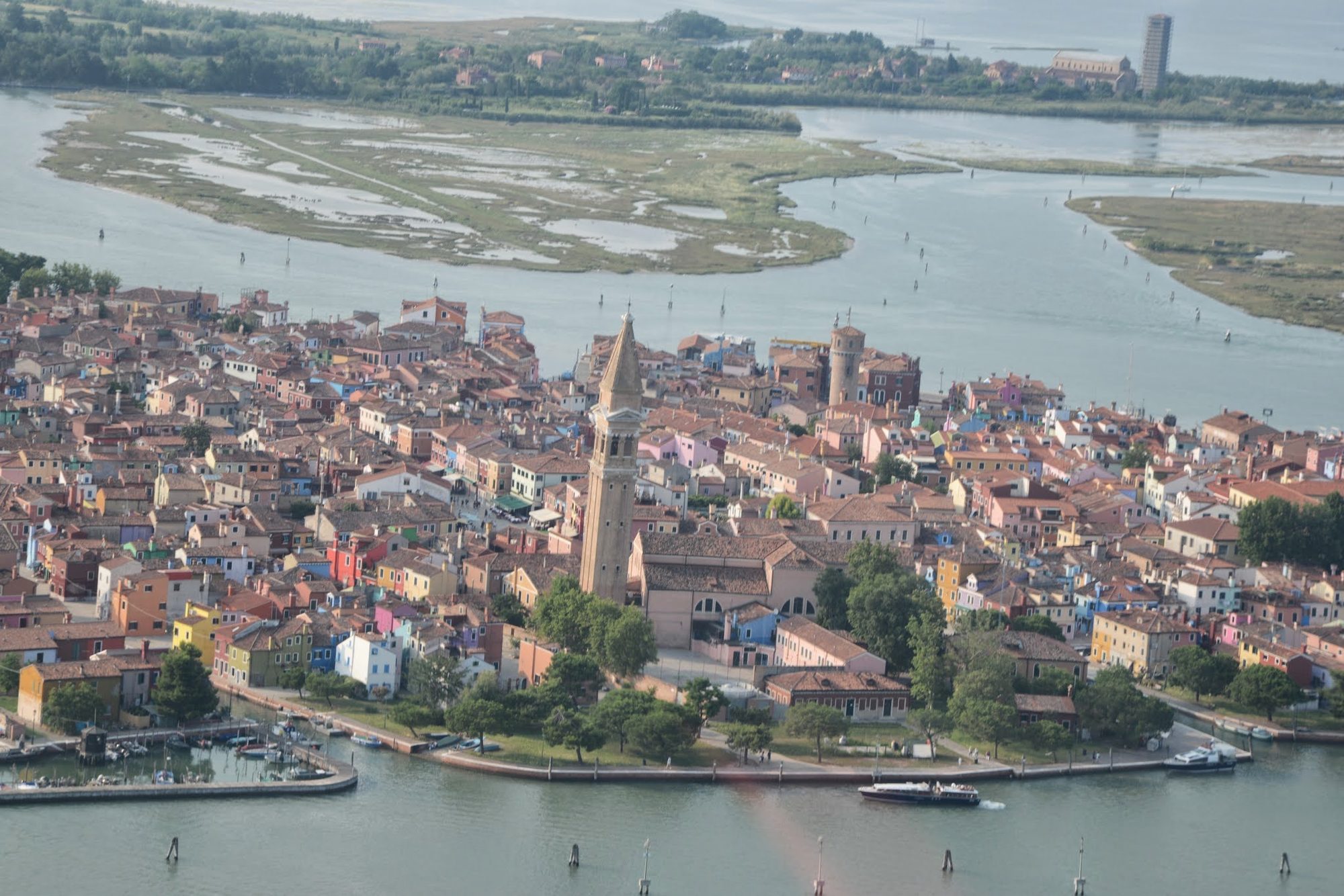
Murano has made glass since 1291, when the furnaces were moved off the main islands over fire risk; several workshops still run public demonstrations. Burano is lace-making and rows of saturated painted houses, reportedly colour-coded so fishermen could pick out their own in fog. Torcello is nearly empty and holds the oldest building in the lagoon, a cathedral with severe Byzantine mosaics.

Vaporetto lines to the northern islands leave from Fondamente Nove. Allow the better part of a day for all three.

Murano, Burano & Torcello, Venice

08

Santa Maria della Salute

Churches

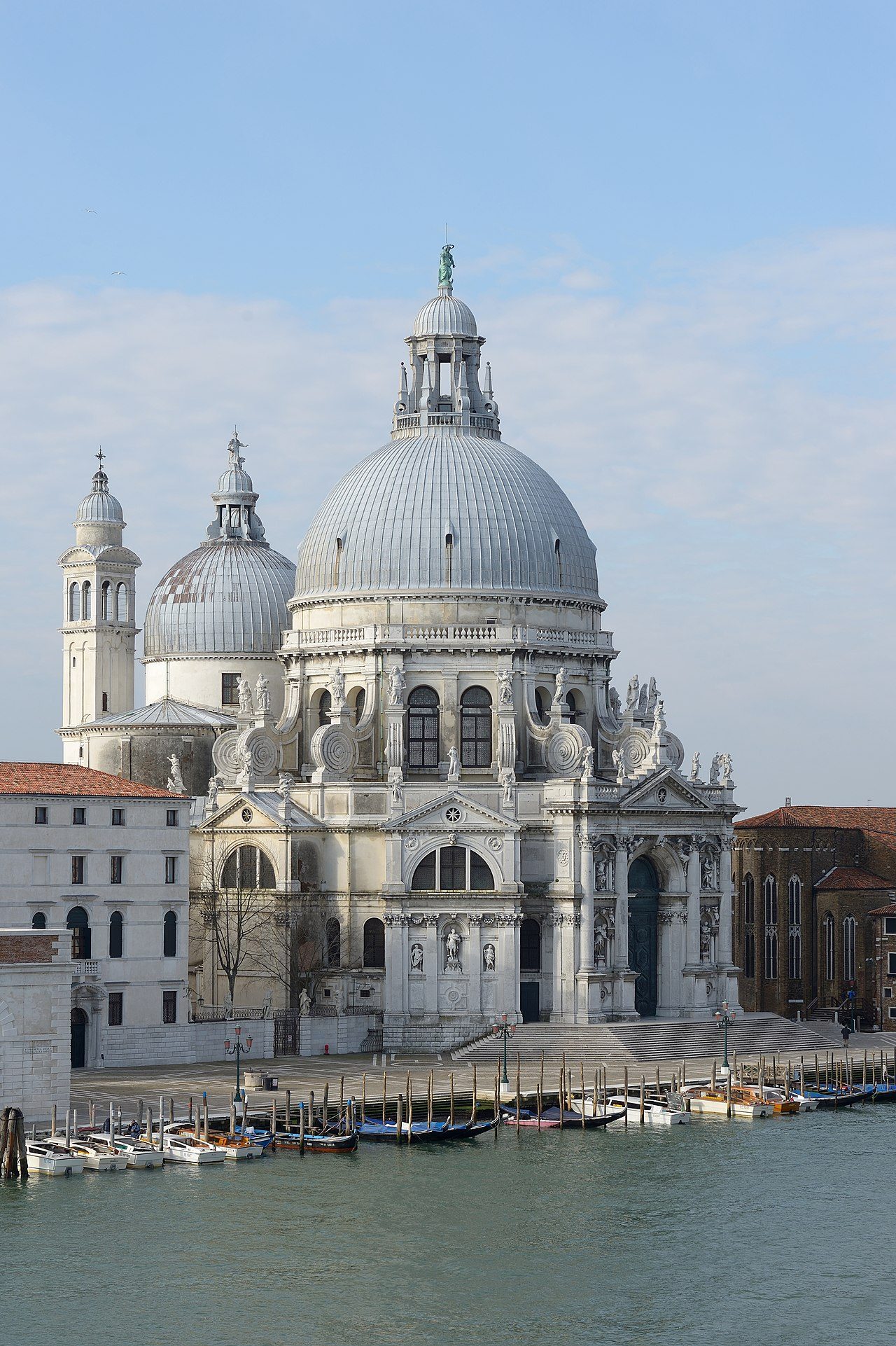
The great white octagonal church at the entrance to the Grand Canal, commissioned in 1631 as a votive offering after a plague that killed roughly a third of the city. Longhena's design rests on more than a hundred thousand timber piles. Inside the sacristy are Titians and Tintoretto's Marriage at Cana.

Free to enter the main church; the sacristy is ticketed. The steps outside are one of the best places in the city to sit at sunset.

Santa Maria della Salute, Venice

Planning

Before you go

When to visit

April to June and September to October. Summer is crowded and the canals can smell at low tide. Winter brings acqua alta — high water that floods low-lying areas including St Mark's Square — and also fog, low prices and near-empty museums. Carnival in February is spectacular and extremely busy.

Getting around

Walking is faster than you expect. The vaporetto network covers the Grand Canal, the outer edges and the islands. Traghetto gondolas ferry people standing up across the Grand Canal at several points for a small fee — a cheap way to have the gondola experience.

Eat and drink

Venetian food is lagoon food: sarde in saor, baccalà mantecato, risotto with cuttlefish ink, moleche soft-shell crabs in season. Eat cicchetti — small plates at the counter of a bacaro — with an ombra of wine, standing up, in the early evening.