Italia.

Ten cities · A clickable chart

Piedmont · 45.0703° N  7.6869° E

Turin Torino

Turin was the first capital of a unified Italy and the seat of the House of Savoy, and it still carries itself that way: eighteen kilometres of arcaded pavement, grand rectilinear boulevards laid over a Roman grid, and a skyline closed off by the Alps.

Region
Piedmont
Airport
Turin Caselle TRN
Getting around
One metro line, trams, arcaded walking
Give it
2 days

Baroque arcades under the Alps

The city is more French than most of Italy in feel — formal, restrained, café-oriented. It was also Italy's industrial engine, home of Fiat, and the post-industrial reinvention has been unusually successful.

Two collections justify a trip on their own. The Egyptian Museum is the most important outside Cairo, and the National Cinema Museum occupies the inside of the Mole Antonelliana, a building that was never meant to hold a museum at all.

Turin is comfortably overlooked, which means shorter queues, better prices and restaurants that are not built around visitors. It is about an hour from Milan on the high-speed line.

What to see

Turin attractions

01

Mole Antonelliana & Museo Nazionale del Cinema

Landmark · Museums

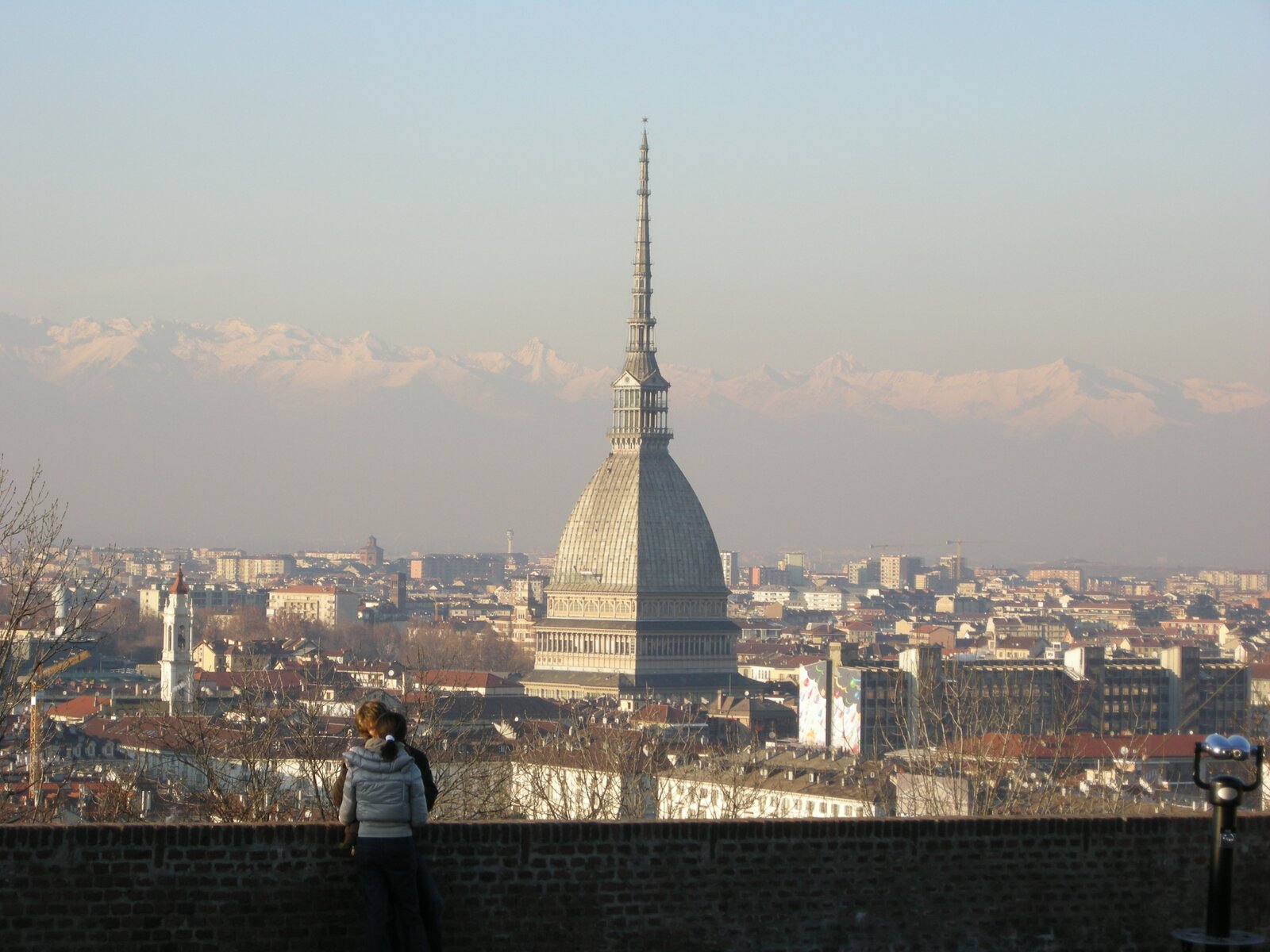
Started in 1863 as a synagogue and finished as a civic monument, the Mole is a 167-metre masonry spike that became the symbol of the city. Inside, the cinema museum spirals up the walls around a vast open hall, with ramps of reclining seats in the centre and film history — magic lanterns, props, sets, projection equipment — arranged up the sides. A glass lift runs straight up the middle of the void to the observation deck.

The lift is ticketed separately from the museum and there is usually a queue for it. On a clear day the Alpine panorama is the best in any Italian city.
Mole Antonelliana & Museo Nazionale del Cinema, Turin

02

Museo Egizio

Museums

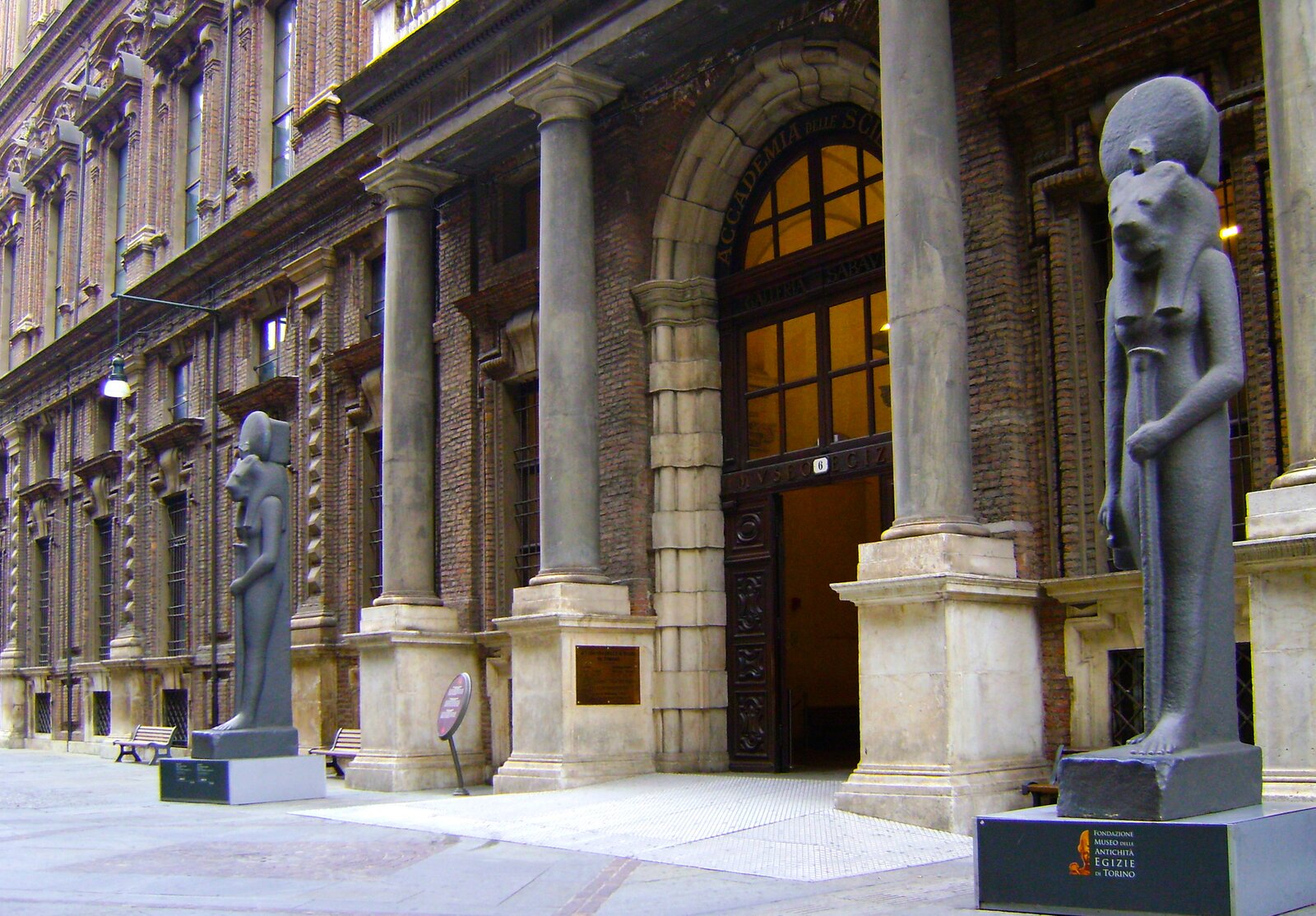
Founded in 1824 and holding around 30,000 objects, second only to Cairo. Highlights include the intact tomb assemblage of the architect Kha and his wife Merit, found with furniture, clothing and food still in place, and the rock-cut Temple of Ellesiya, relocated from Nubia before the Aswan dam flooding. The reinstallation is genuinely well done rather than just extensive.

Allow two to three hours. Booking a slot is sensible at weekends and in school holidays.

Museo Egizio, Turin

03

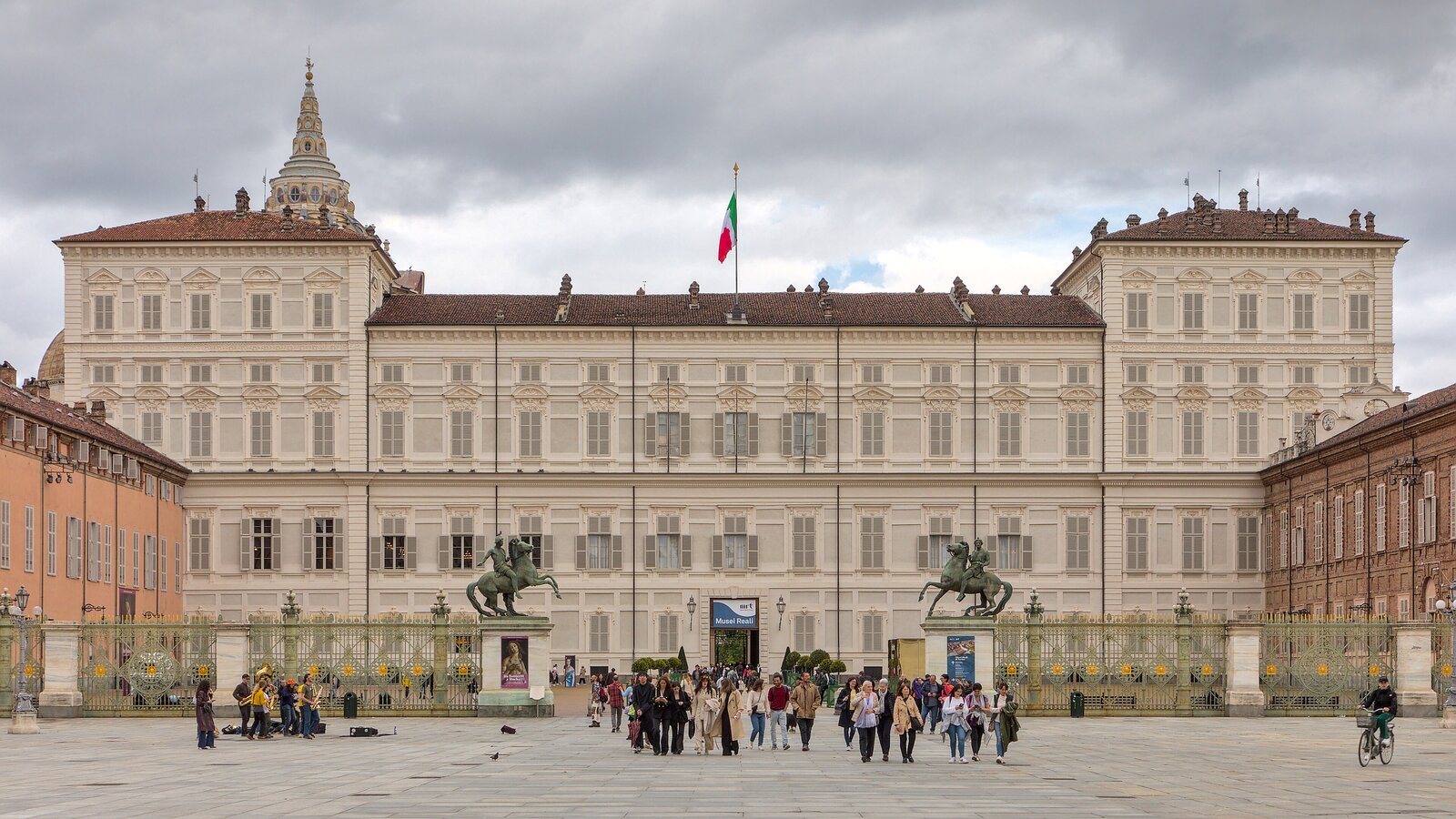
Palazzo Reale & the Musei Reali

Palace

The Savoy royal palace and its connected buildings now run as a single museum circuit — state apartments, the Royal Armoury, the Sabauda Gallery of paintings, the archaeological museum and the gardens. The Armoury is one of the best collections of arms and armour in Europe, laid out in a long gallery that is worth the ticket by itself.

A single ticket covers the whole complex and it is a lot of ground. Half a day, minimum.

Palazzo Reale & the Musei Reali, Turin

04

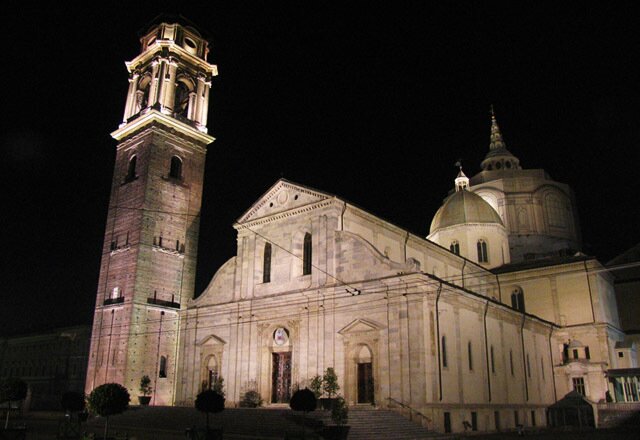
Turin Cathedral & the Chapel of the Shroud

Churches

The Renaissance cathedral holds the Shroud of Turin, the linen cloth bearing a faint image that some believe wrapped the body of Christ; radiocarbon dating in 1988 placed the sample in the medieval period and the debate has never fully settled. Guarino Guarini's Chapel of the Holy Shroud above it is a mathematically extraordinary piece of Baroque engineering, reopened in 2018 after a long restoration following a 1997 fire.

The Shroud itself is almost never on display — public exhibitions are rare and announced years ahead. A replica is shown instead.

Turin Cathedral & the Chapel of the Shroud, Turin

05

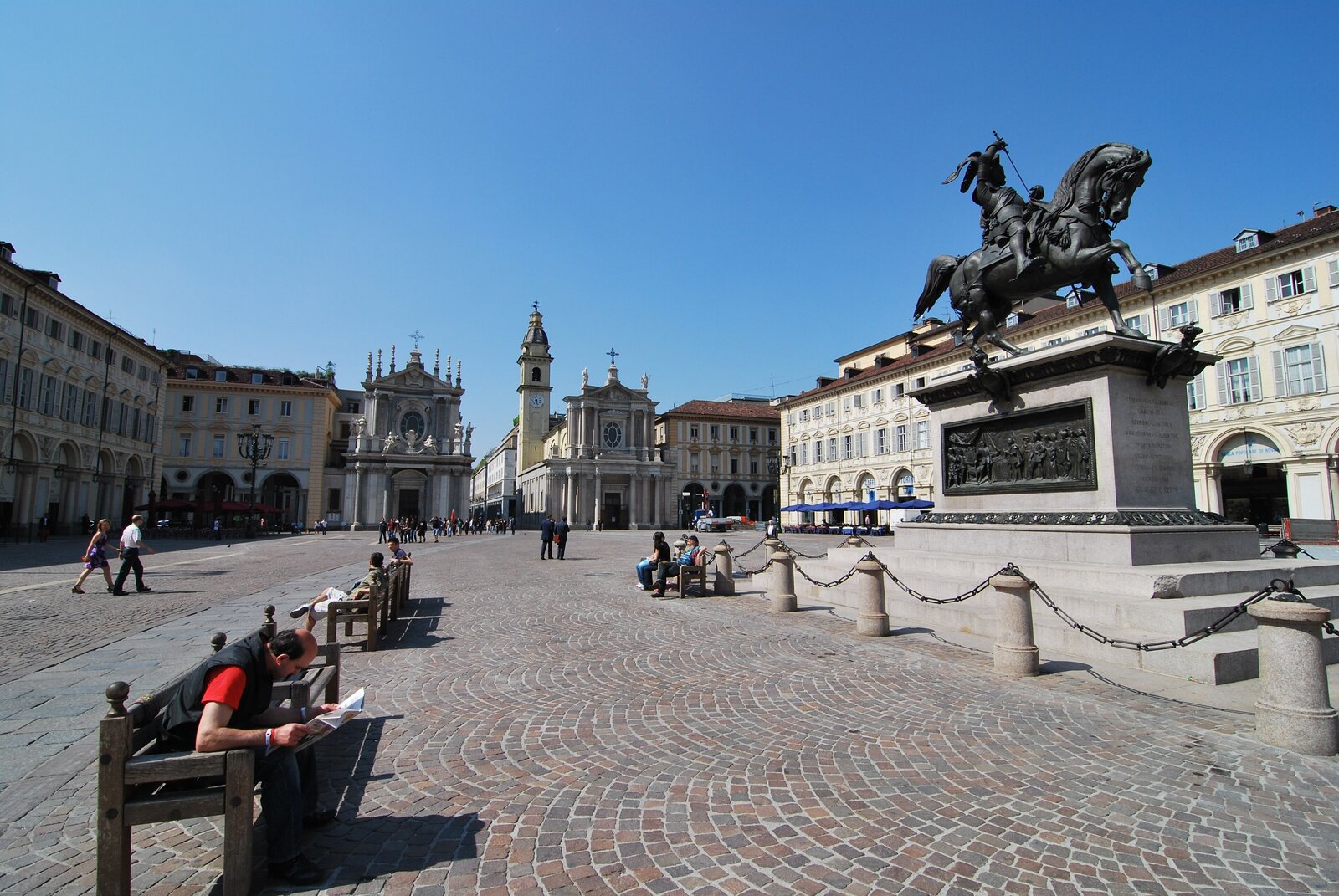
Piazza San Carlo & the historic cafés

Cafés · Squares

The city's formal drawing room, arcaded on both sides with twin Baroque churches at one end. The surrounding cafés date from the eighteenth and nineteenth centuries and take their gilt and mirrors seriously. Order a bicerin — espresso, drinking chocolate and cream in layers in a small glass, invented here — and do not stir it.

Coffee costs several times more sitting at a table than standing at the bar. In these particular rooms, sitting down is the point.

Piazza San Carlo & the historic cafés, Turin

06

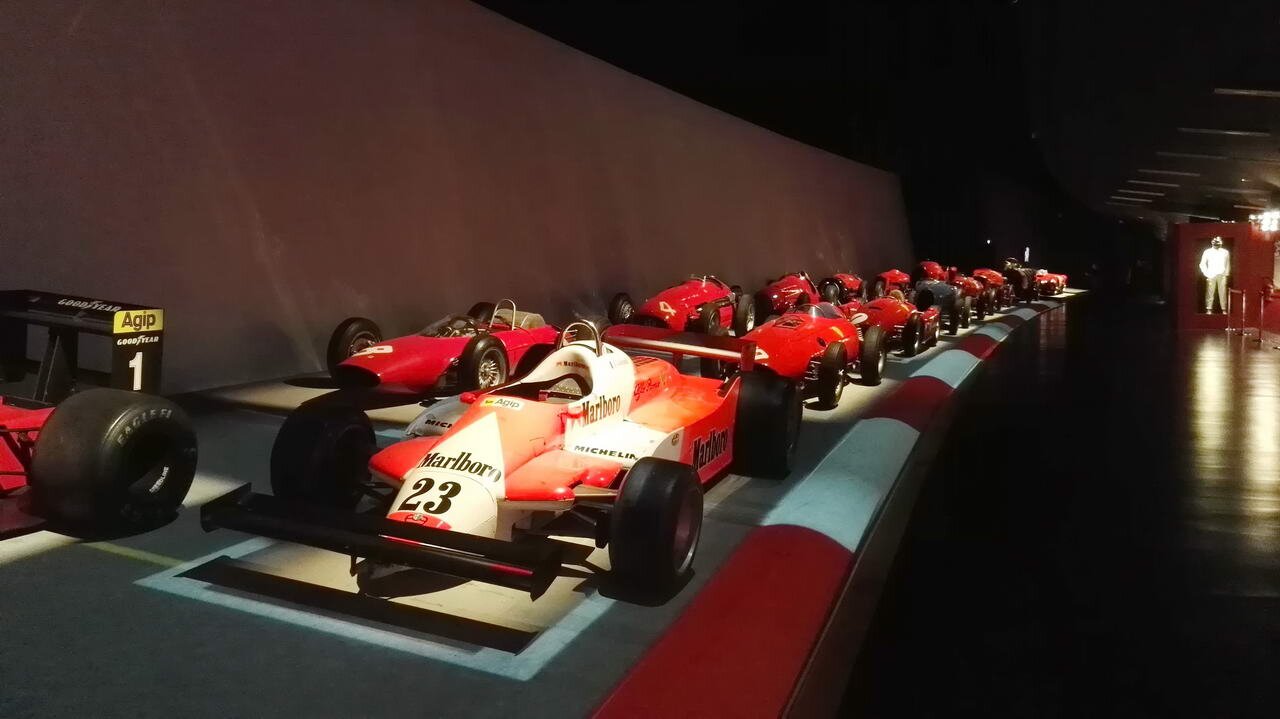
Museo Nazionale dell'Automobile

Museums

Turin is a car city and this is a serious museum rather than a company showroom — a chronological history of the automobile from early steam carriages through Bugatti, Ferrari, Fiat and Formula One, presented as social and design history. The building was reworked in 2011 and the staging is excellent.

South of the centre along the Po. Worth the trip even with only a mild interest in cars.

Museo Nazionale dell'Automobile, Turin

07

Basilica di Superga

Viewpoint · Churches

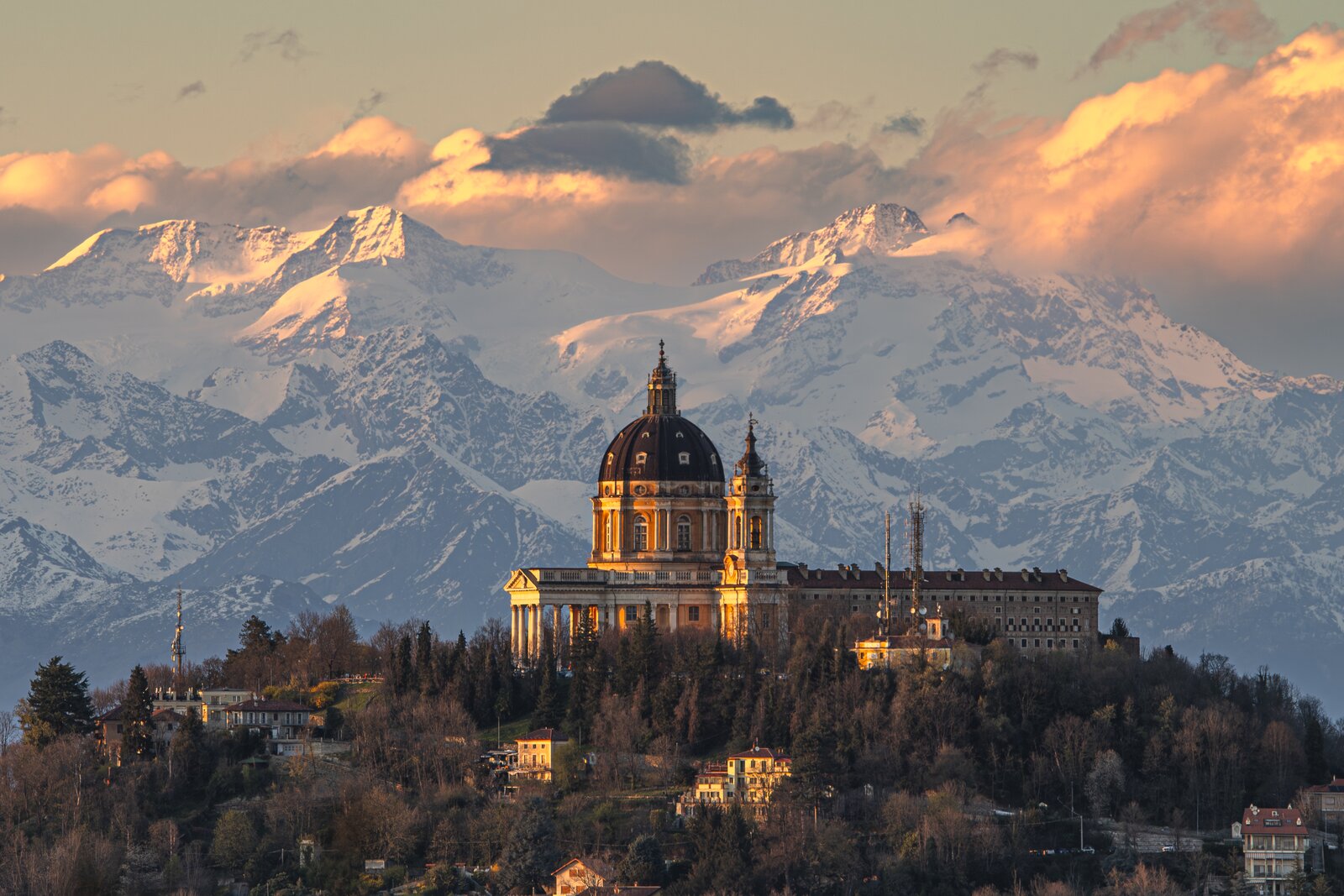
Juvarra's domed basilica on a hill east of the city, holding the Savoy royal tombs and giving a full panorama of Turin against the Alps. A rack railway has climbed to it since 1884. The site is also a place of mourning: in 1949 an aircraft carrying the entire Torino football team, then the dominant side in Italy, struck the hillside behind the basilica and all aboard were killed. A memorial stands at the crash site.

The rack tramway runs from Sassi station and does not operate every day.

Basilica di Superga, Turin

08

Reggia di Venaria Reale

Palace · Day trip

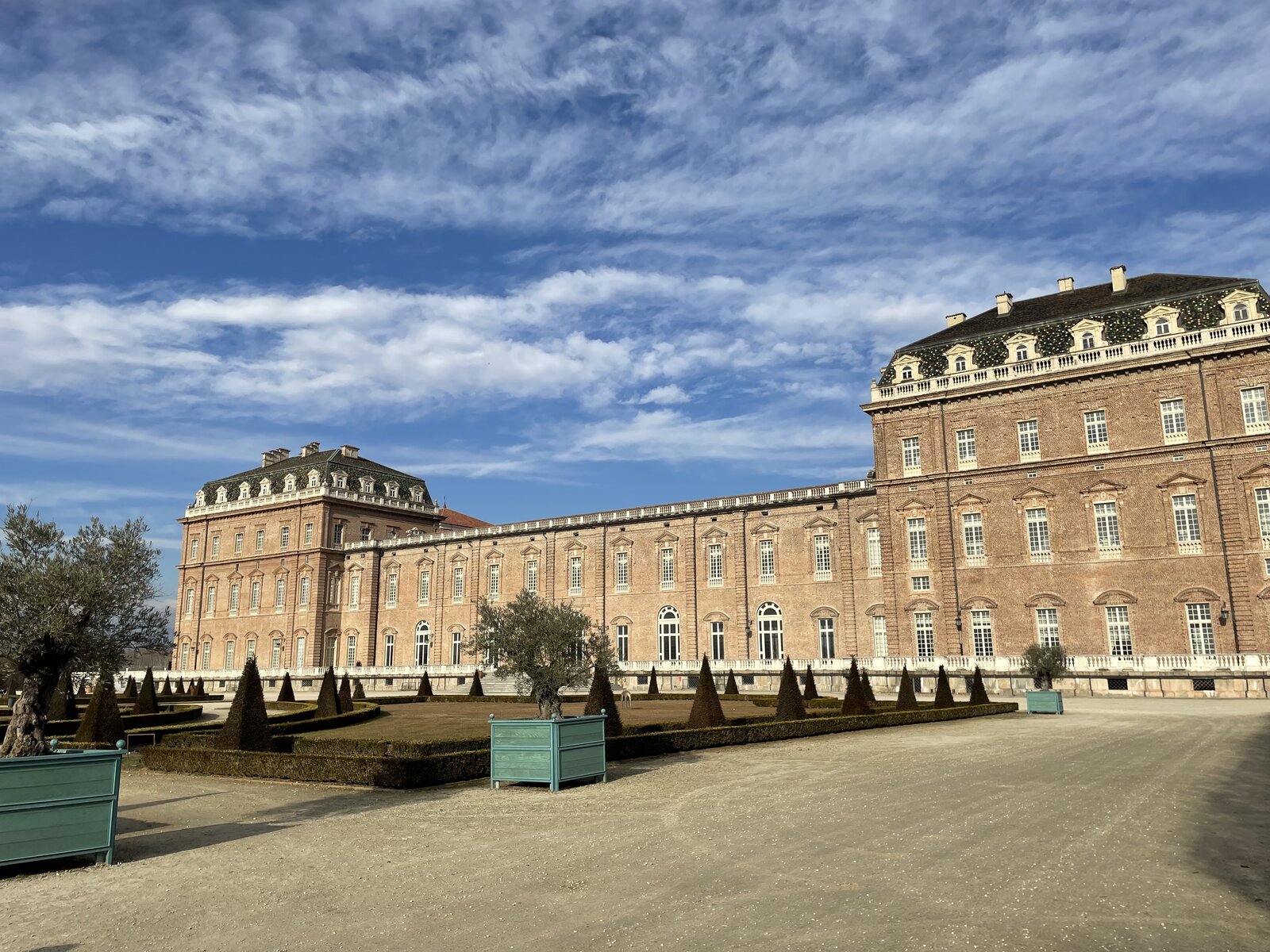
A Savoy hunting palace on a scale that invites comparison with Versailles, abandoned and then restored across a project that ran for years. The Great Gallery is a 80-metre corridor of white stucco and light, and the formal gardens run to about sixty hectares with contemporary interventions among the parterres.

About thirty to forty minutes from the centre by bus or a seasonal shuttle. Allow the best part of a day.

Reggia di Venaria Reale, Turin

Planning

Before you go

When to visit

Spring and autumn are best. Winter is cold and clear with the Alps at their sharpest, and the ski resorts of the Via Lattea are within two hours. August is quiet as the city empties.

Getting around

One driverless metro line, a good tram network, and arcades that make walking pleasant in any weather. Porta Nuova and Porta Susa stations connect to Milan in about an hour.

Eat and drink

Piedmont is one of Italy's great food regions: agnolotti del plin, vitello tonnato, bagna càuda in winter, and white truffles from Alba in autumn. Turin invented solid chocolate production in Italy, gianduia hazelnut chocolate and vermouth. The Barolo and Barbaresco vineyards are an hour south.