Venice / Attractions guide / Murano, Burano & Torcello
Lagoon islands
Murano, Burano & Torcello
Three very different islands scattered across the northern lagoon — glassmaking, lace-making, and near-total emptiness — each a short vaporetto ride from the crowds of central Venice.
- Price
- Free to visit — pay only for vaporetto fares
- Hours
- Islands always open · vaporettos run all day
- Avg. visit
- Most of a day for all three
- Book ahead
- Not applicable, beyond a vaporetto pass
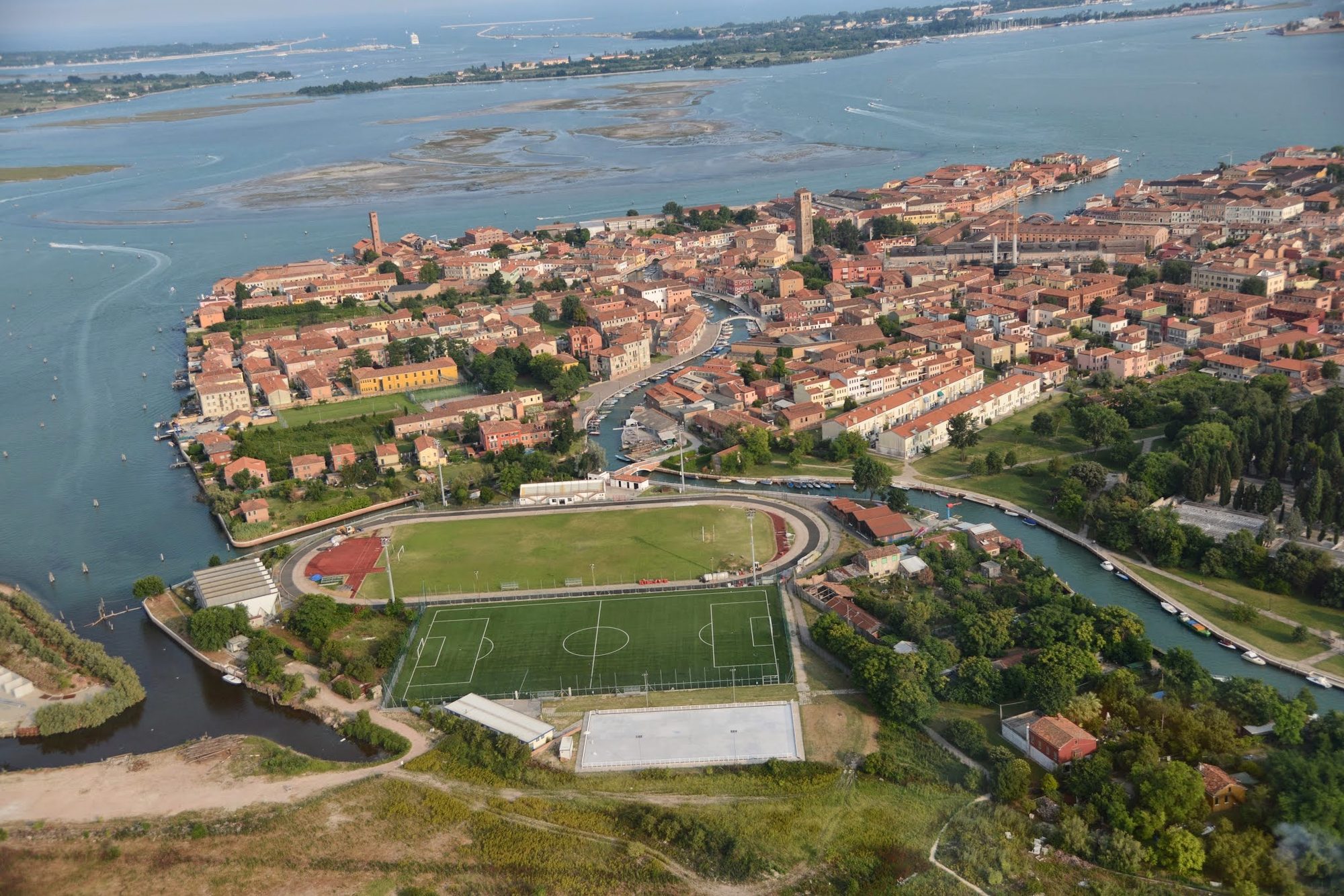
Murano has made glass since 1291, when Venice's authorities moved every furnace on the main islands out to this one, worried that the fire risk from constant glassblowing would eventually burn the whole city down. The move also had the useful side effect of keeping Venetian glassmaking techniques more contained and controllable. Several workshops on the island still run public demonstrations, and the small Museo del Vetro traces the craft's history in more depth than a demonstration alone can.
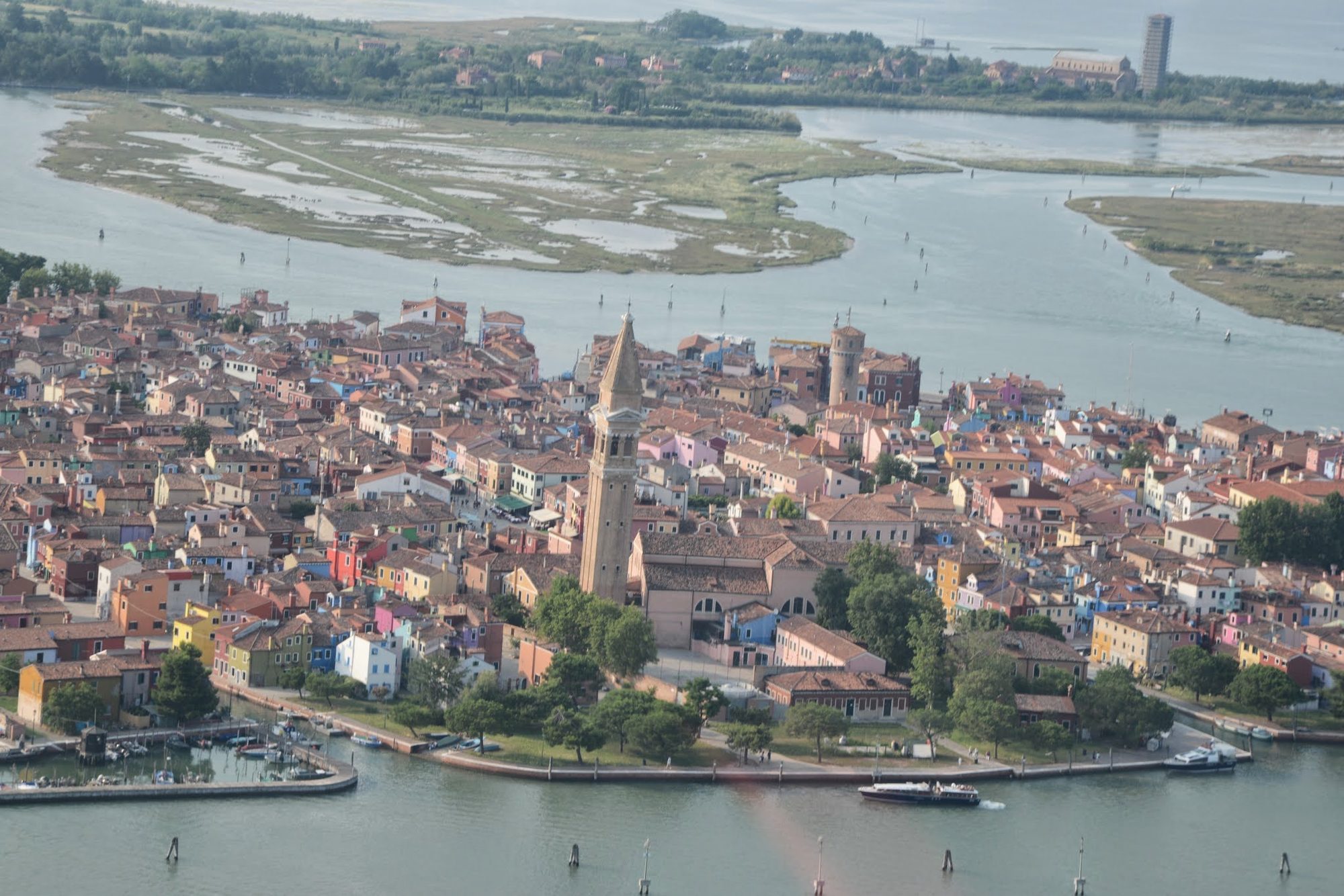
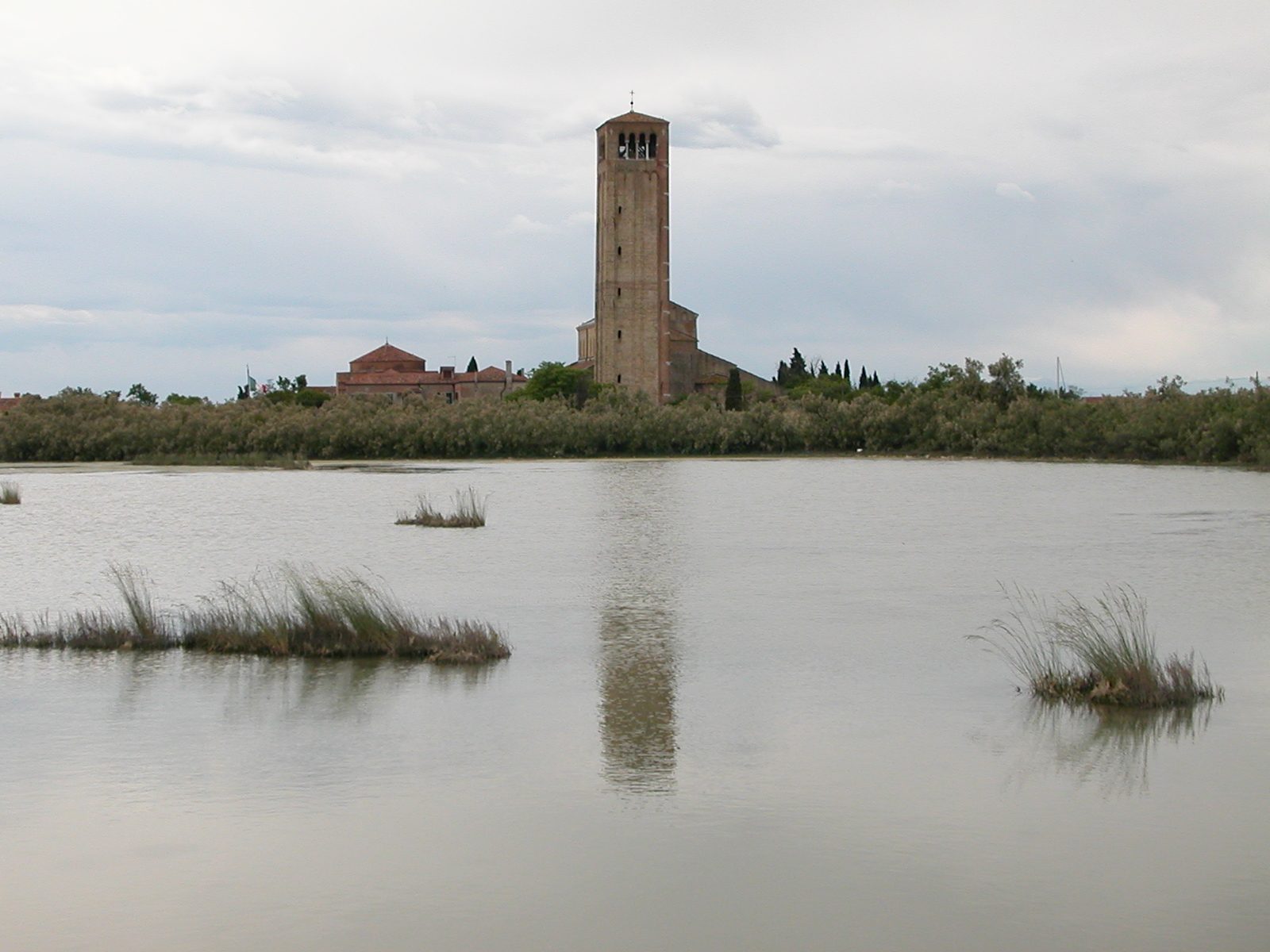
Burano, further out, is known for lace-making and for rows of houses painted in intensely saturated colours — reportedly colour-coded historically so fishermen returning through fog could pick out their own home from the water. Torcello, the emptiest of the three by far, holds the oldest surviving building in the entire lagoon: a cathedral with severe, powerful Byzantine mosaics, standing in what was once the lagoon's most populous settlement before silting and malaria drove almost everyone toward Venice itself centuries ago.
Inside
What to see
- Live glassblowing demonstrations and the Museo del Vetro on Murano
- The saturated painted houses and lace shops of Burano
- Torcello's cathedral and its severe Byzantine mosaics
- The near-total quiet of Torcello, a striking contrast to central Venice
Practical
Good to know
- Vaporetto lines to the northern islands leave from Fondamente Nove, not from San Marco or Rialto.
- Allow the better part of a day for all three — they're spread out, and Torcello especially requires a deliberate trip rather than a quick add-on.
- Glass "demonstrations" advertised by touts near San Marco are frequently a sales pitch for a specific shop — the real demonstrations happen on Murano itself.
Timing
When it's busiest
- Early morning
- Quiet
- Midday (Burano/Murano)
- Busy
- Midday (Torcello)
- Quiet even at peak
- Late afternoon
- Easing off
Nearby
Combine your visit
Vaporetto back to San Marco
Basilica di San Marco
Return to the main islands for an evening visit once the lagoon islands close for the day.
Visit →
Vaporetto to Rialto Mercato
Rialto Bridge & the markets
A convenient stop on the way back if timed right for the market's morning hours the next day.
Visit →
Same fare network
The Grand Canal by vaporetto
Use the return trip as an excuse to ride the Grand Canal end to end.
Visit →
FAQ
Common questions
Can I see all three islands in one day?
Yes, but it's a full day rather than a quick add-on — the islands are spread across the lagoon and connected by a series of vaporetto rides, not one direct loop.
Do I need to pay to enter the islands themselves?
No — the islands are free to walk around. The only cost is vaporetto fare, and optionally the Museo del Vetro on Murano or Torcello's cathedral if you want to go inside.
Are the free glass demonstrations near San Marco legitimate?
They're usually a sales funnel for one particular shop rather than an independent look at the craft — for a more neutral view of Murano glassmaking, see a demonstration on the island itself.
Which island should I prioritise if I only have half a day?
Burano for the visual impact of the painted houses, or Torcello if history and quiet matter more to you than photographs — either is more distinctive than trying to rush all three.